







TL;DR
- A quality tempered glass protector costs $10-40 vs. $200-400+ for official screen replacements
- Modern phones still scratch easily despite Gorilla Glass marketing claims
- Screen protector benefits extend beyond crack prevention to preserving resale value and display quality
- Tempered glass beats plastic films hands-down for protection and feel
- Even careful users benefit from protection against micro-scratches and oil buildup
- Installation has gotten foolproof with modern alignment tools and dust removal kits
Introduction: The Constant Battle Against Scratches and Cracks
Your phone takes a beating every day. Keys and coins scratch against it in your pocket. It hits concrete when you drop it. Daily wear and tear would put medieval torture devices to shame. Still, we somehow expect these fragile gadgets to stay perfect.
Screen protectors have helped turn smartphone protection into a massive industry worth billions. Manufacturers have mastered one skill above all others - convincing us we absolutely need their products.
So let's cut through the marketing BS and figure out if these thin pieces of glass and plastic actually deliver on their promises.
Phone screen protection worth the cost becomes a much easier question to answer once you look at the real numbers. Spoiler alert: the math is pretty convincing.
More Than Just Crack Prevention
Shielding Against Micro-Scratches (Abrasion Resistance)
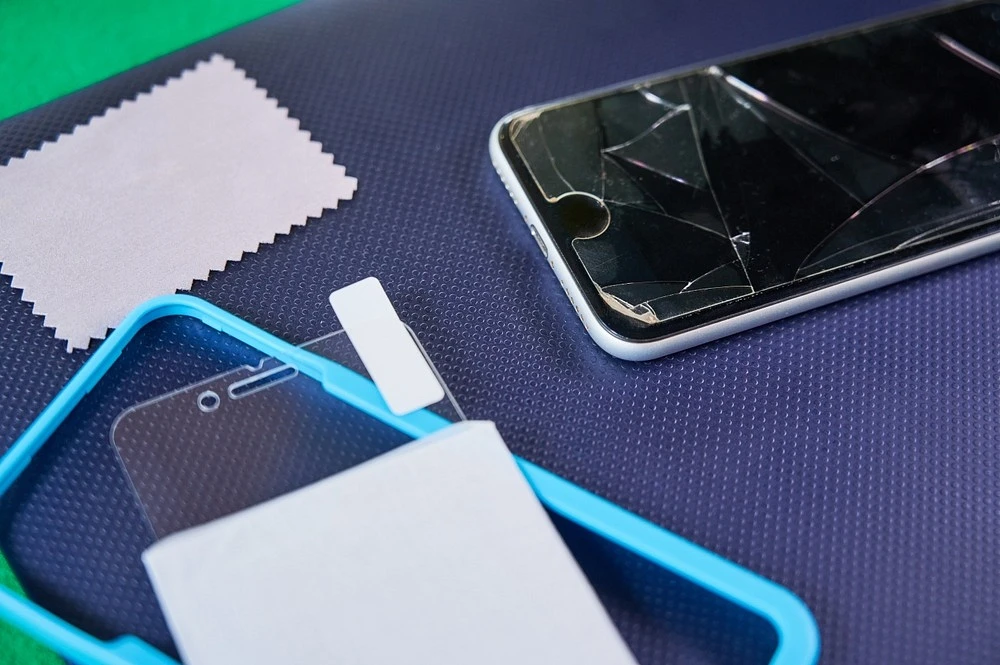
Micro-scratches quietly ruin screen quality. Everyday items cause them - pocket lint, dust particles, and finger oils that seem harmless enough. These tiny scratches build up over time. They create a hazy film that makes your display look old and worn.
Screen protectors work as sacrificial layers. They take all that daily abuse while your actual screen stays in mint condition. Once a protector gets too scratched up, just swap it out. Your original screen remains perfect.
Maintaining Pristine Oleophobic Coating
Oleophobic coating sounds fancy, but it's actually pretty important tech. This invisible layer keeps fingerprints and smudges off your screen. Your phone would turn into a greasy disaster within minutes without it.
Daily touching and wiping slowly strips this coating away. When it's gone, your screen attracts every fingerprint like crazy and stays dirty no matter how much you clean it. Screen protectors help by creating a barrier between your fingers and that protective layer.
The "Sacrificial Lamb" Effect: Taking the Hit So Your Screen Doesn't Have To
Here's why screen protectors matter so much. Think of it as a bodyguard for your screen – it takes hits so your expensive display doesn't have to.
Drop your phone? The protector absorbs and spreads out impact energy. Even when it cracks, it usually stops your actual screen from shattering. You'd rather replace a $20 protector than pay $300 for a new screen, right? Pretty obvious choice.
Demystifying the Types: Tempered Glass, TPU, and More
Tempered Glass: The Gold Standard for Protection and Clarity
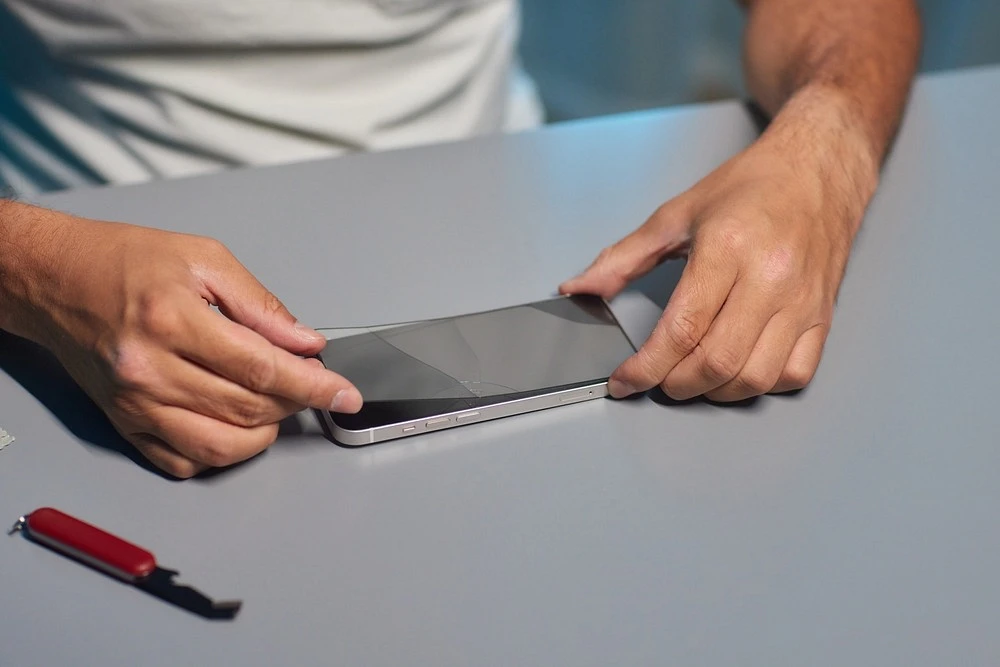
Tempered glass protectors are screen protection champions. A heat treatment process creates their incredible strength without sacrificing crystal-clear transparency.
Here's how manufacturing works: glass gets heated to extreme temperatures, then rapidly cooled. This process creates internal stress that makes glass up to four times stronger than regular versions.
How Tempered Glass is Made and Why it Shatters the Way it Does
When tempered glass breaks, it crumbles into small, relatively harmless pieces instead of creating sharp shards. This "safe shattering" property comes from the internal stress pattern created during manufacturing.
When it comes to protecting your screen, these protectors soak up tons of impact energy before they give out. If one does crack, it usually sticks around and keeps doing its job until you swap it for a new one.
TPU (Thermoplastic Polyurethane): The Flexible Film for Curved Screens
TPU protectors are the flexible athletes of screen protection. They're perfect for phones with curved edges where rigid glass protectors struggle to adhere properly.
These film protectors offer decent scratch protection and excellent impact absorption. They're also self-healing to some degree – minor scratches can disappear with heat application. The downside? They don't feel as premium as glass and can look plasticky over time.
PET (Polyethylene Terephthalate): The Basic, Budget-Friendly Option
PET films are the economy option of screen protection. They're cheap, easy to install, and provide basic scratch protection. However, they offer minimal impact protection and can feel plasticky to the touch.
For users on a tight budget who mainly want to prevent pocket scratches, PET films do the job. Just don't expect them to save your screen from a serious drop.
Hydrogel: The New, Self-Healing Contender
Hydrogel protectors have become popular lately, bringing some neat benefits along. These screen guards are super thin and flexible. They can even heal minor scratches on their own.
There are trade-offs though. Price runs higher than other options, and impact protection isn't as strong as tempered glass delivers.
If you want your phone feeling just like it did out of the box while still getting some protection, hydrogel protectors make sense.
Niche Protectors: Privacy, Matte, and Blue Light Filters
Specialty protectors serve specific needs:
- Privacy screens use micro-louver technology to limit viewing angles
- Matte protectors reduce glare and fingerprints but sacrifice some clarity
- Blue light filters claim to reduce eye strain during extended use
- Anti-bacterial coatings inhibit germ growth on the screen surface
These specialized options typically cost more and may compromise some aspect of display quality or protection.
Addressing the Skeptics: Common Arguments Against Screen Protectors
"Modern Phone Screens are Scratch-Resistant Already (Gorilla Glass)"
This argument pops up everywhere when people debate screen protectors. It has some truth to it. Gorilla Glass keeps getting better, with each new version handling drops and scratches more effectively than before.
Here's what actually happens though: scratch-resistant isn't the same as scratch-proof. Gorilla Glass gets designed primarily to survive drops without shattering, not to handle daily encounters with sand, keys, and rough materials.
Numbers don't lie when you look at Mohs hardness scale. Gorilla Glass sits around 5.5-6, but sand and concrete dust can hit 7 or higher. Basic physics works against you here – harder stuff always scratches softer materials.
"They Feel Cheap and Ruin the Phone's Aesthetics"
This was true five years ago when most protectors were thick, plasticky films that felt awful to touch. Today's premium tempered glass protectors are different beasts entirely.
A good 9H tempered glass protector feels almost identical to your original screen. Oleophobic coating matches factory specs. Touch sensitivity stays perfect, and optical clarity remains virtually indistinguishable.
Quality matters here. Cheap protectors from random brands feel terrible and look much worse. Get a reputable brand instead - you won't even notice it's there.
"I'm Very Careful With My Devices, I Don't Need One"
Being careful is great, but it's not foolproof protection. Accidents happen to everyone – even the most cautious users eventually have that one moment where their phone slips.
Even careful handling won't save you from environmental threats. Pocket dust, beach sand, or using an unsuitable cleaning cloth will create tiny scratches over time. These hazards exist everywhere, regardless of how cautious you are.
"They're a Pain to Install Without Bubbles and Dust"
Installation used to be a nightmare, but modern protector kits have solved most of these issues. Many premium brands now include:
- Alignment frames for perfect positioning
- Dust removal stickers and cleaning cloths
- Squeegees designed specifically for bubble removal
- Step-by-step video guides
With the right kit and five minutes of patience, achieving a perfect installation is totally doable for most people.
Frequently Asked Questions (FAQ)
Can a screen protector actually prevent a screen from cracking?
Tempered glass protectors prevent many screen cracks by absorbing and distributing impact energy. They won't stop extreme damage.
Does a screen protector affect touchscreen sensitivity or display quality?
Quality tempered glass protectors don't affect sensitivity or display quality. Cheap ones might.
How often should I replace my screen protector?
Replace when significantly scratched or cracked. Typically every 6-12 months.
Are the cheap screen protectors from random brands just as good as the expensive ones?
Cheap protectors use inferior materials and coatings. Premium brands worth the small price difference.
Is it worth putting a screen protector on a tablet or laptop?
Tablets yes, laptops depend on usage since protectors may interfere with closing and display quality.