









TL;DR
2026's lineup is all about hybrid AI performance meeting user-friendly design. Here's the quick rundown:
- Sony ZV-E10 II: Best overall vlogging camera 2026 for most creators thanks to dedicated content features and bulletproof autofocus
- Nikon Z50II: The innovator with a Product Review mode that unboxing channels will absolutely love
- DJI Osmo Pocket 3: Ultimate pocket-sized gimbal camera for run-and-gun shooting
- Fujifilm X-M5: Lightweight champ with film simulations that cut editing time
- Panasonic Lumix GH7: Pro-level hybrid for serious video work
Why 2026 is the Golden Age for Vlogging Cameras
Mirrorless tech has leveled up hard. AI processing chips are handling subject detection in real-time. Stacked sensors eliminate rolling shutter (that annoying jello effect). Active cooling systems mean you can actually record more than 30 minutes without your camera throwing a thermal tantrum.
Camera companies finally woke up. YouTubers aren't photographers who sometimes shoot video - they’re a whole different breed. So now brands are building gear specifically for product reviews, travel vlogs, or just someone talking to a lens. No more clunky stills-first hybrids. It’s a whole different approach. And honestly? Game changed.
The Best Mirrorless Cameras for Vlogging in 2026
Sony ZV-E10 II
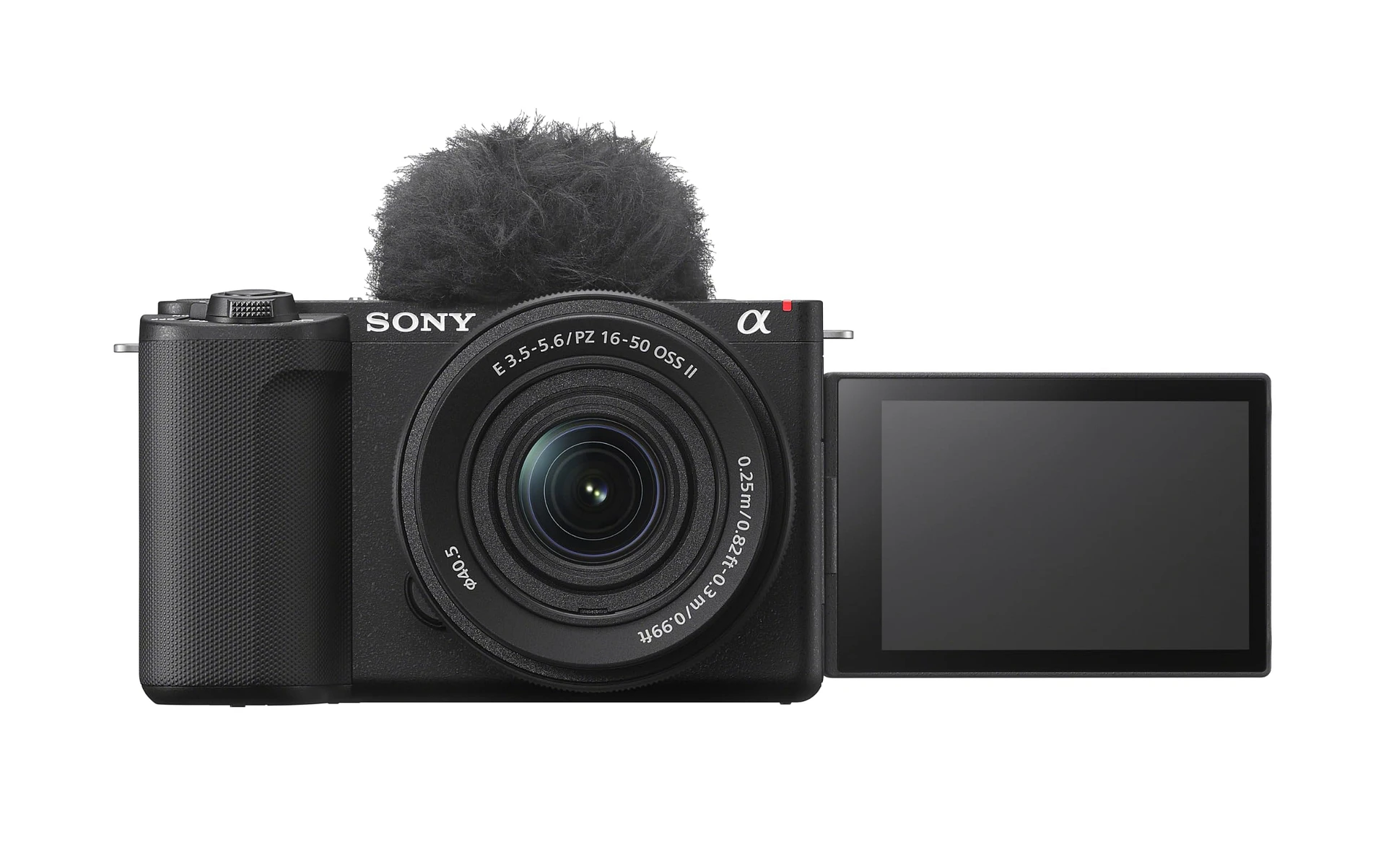
Sony made a camera that screams "I was built for YouTube." This 4K vlogging camera inherits tech from their flagship cinema line but packages it in a compact, affordable body.
Key Specs:
- Sensor: 26MP APS-C Exmor R CMOS
- Video: 4K/60p with oversampling
- Battery: NP-FZ100 (finally, high capacity)
- Weight: 377g (body only)
Why it's great for vlogging:
The vertical UI feels like using your phone. Product Showcase mode smoothly transitions focus between your face and whatever you're holding up. The MI Shoe handles digital audio without messy cables running everywhere.
The catch: No IBIS. You'll want a gimbal or good electronic stabilization for walking shots.
Nikon Z50II
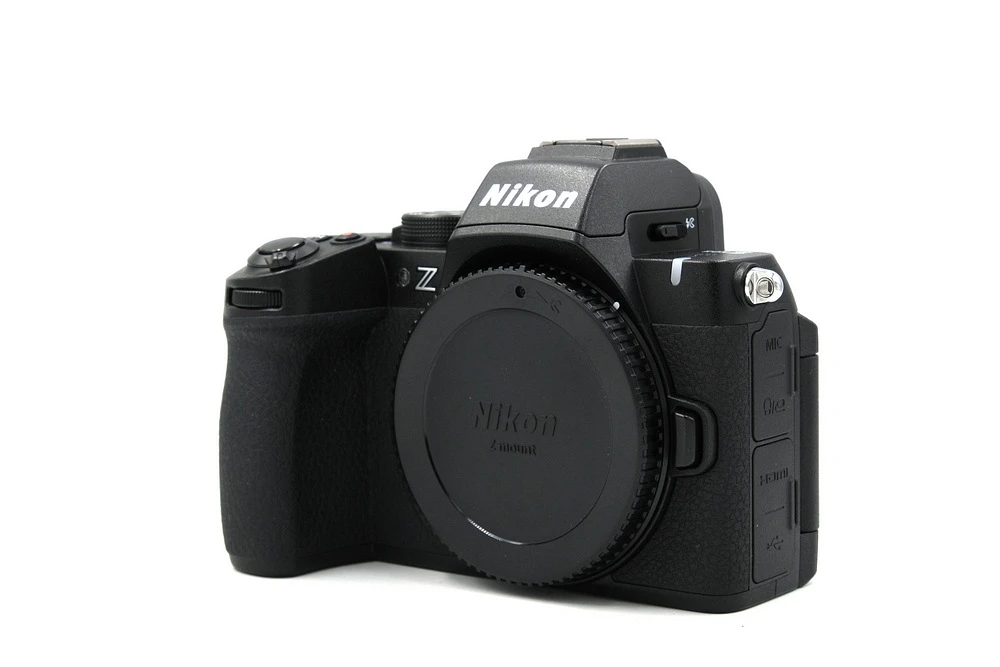
Nikon brought flagship tech down to creator-friendly prices. This YouTube camera 2026 packs processing power from the pro-level Z9 into a mid-range body.
Key Specs:
- Video: 4K oversampled from 5.6K capture
- Processor: EXPEED 7
- N-Log: Yes (for color grading nerds)
- Autofocus: 3D-tracking inherited from Z9
Why it's great for vlogging:
AI Skin Softening and Portrait Impression Balance save editing time. But the killer feature? Product Review Mode. Hold up an item to the lens and it auto-shifts focus, then snaps back to your face. Unboxing channels, this is your camera.
The catch: Z-mount DX lens selection is growing but still smaller than Sony's E-mount ecosystem.
Fujifilm X-M5
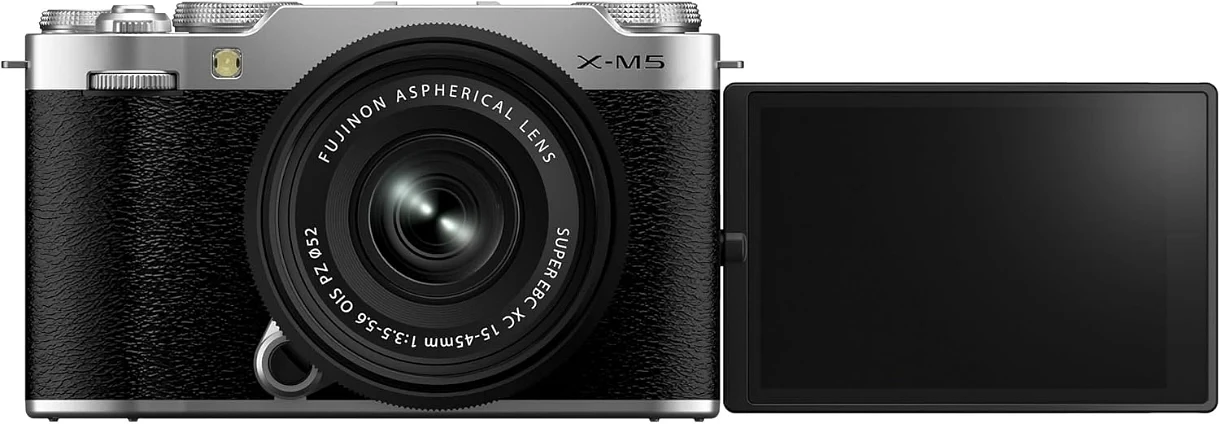
Lightest camera in Fujifilm's X-Series. Perfect for creators who want "film looks" straight out of camera without spending hours in post.
Key Specs:
- Video: 6.2K/30P 4:2:2 10-bit
- Weight: 355g (you'll forget it's there)
- Film Simulations: 19 presets
- Vlog Mode: Dedicated UI for creators
Why it's great for vlogging:
Fujifilm's color science is legendary. Their film simulations (Classic Chrome, Eterna Bleach Bypass) give you cinematic looks without plugins. The 9:16 vertical shooting guides are clutch for social content.
Camera Comparison Table
|
Camera |
Sensor Size |
Video Max |
IBIS |
Weight |
Best For |
|
Sony ZV-E10 II |
APS-C |
4K/60p |
No |
377g |
General vlogging |
|
Nikon Z50II |
APS-C |
4K/60p |
No |
450g |
Product reviews |
|
DJI Osmo Pocket 3 |
1-inch |
4K/120p |
Gimbal |
179g |
Travel/action |
|
Fujifilm X-M5 |
APS-C |
6.2K/30p |
No |
355g |
Cinematic looks |
|
Panasonic GH7 |
M4/3 |
5.7K/60p |
Yes |
660g |
Professional hybrid |
FAQ
Is a mirrorless camera better than my smartphone for vlogging?
If you're serious about content, a real camera changes things. Its sensor captures more light in low situations. That’s also what creates soft background blur - bokeh is the word for it. You aren't stuck with a single lens either. You can swap glass based on what you're filming. A phone works for quick posts. But it just doesn't offer same level of control. When you put footage side by side, difference in production quality is clear.
Do I need a full-frame camera for YouTube?
Short answer is no. Cameras using APS-C sensors, something like the Sony ZV-E10 II, are the real workhorses for video. You get a great mix of image quality, portability, and price. You won't be hauling around a brick, and your bank account won't hate you for it.
Full-frame cameras are basically overkill for this platform. They shine in two specific situations: if you're constantly shooting in near-darkness, or you absolutely must have that super blurry background look. For the talking head stuff or typical vlogging? You won't see a difference.
Why is autofocus so important for a vlogging camera?
Because when you're mid-sentence, waving your hands or showing a product, nothing kills a clip like your face going blurry. Reliable autofocus keeps the sharpness locked on you. That's where stuff like Sony's Real-Time Tracking or Nikon's AI detection comes in - they literally track your eye so you stay crisp without thinking about it. Sure, manual focus has its place for that slick cinematic b-roll. But for the daily upload grind? It just slows you down and risks ruining takes.