








TL;DR
Agentic AI moves beyond just answering questions. It starts handling tasks for you - like booking flights or negotiating refunds. You get the idea. Spatial computing trades clunky headsets for sleek AR glasses. No more looking like a Cyberpunk reject. Sustainable tech is finally scaling up. Green hydrogen and next-gen batteries move from PowerPoint slides to actual production lines. Digital identity ditches passwords for passkeys and self-sovereign systems. Humanoid robots gain new dexterity. They're leaving labs for warehouses - and maybe your living room. Quantum computing teams up with AI. Together, they tackle problems classical computers can't handle. Health tech shifts from tracking steps to solving medical problems. Wearable brain-computer interfaces make this possible.
1. The Rise of Agentic AI: From Tools to Colleagues
What makes 2026 the year of AI Agents?
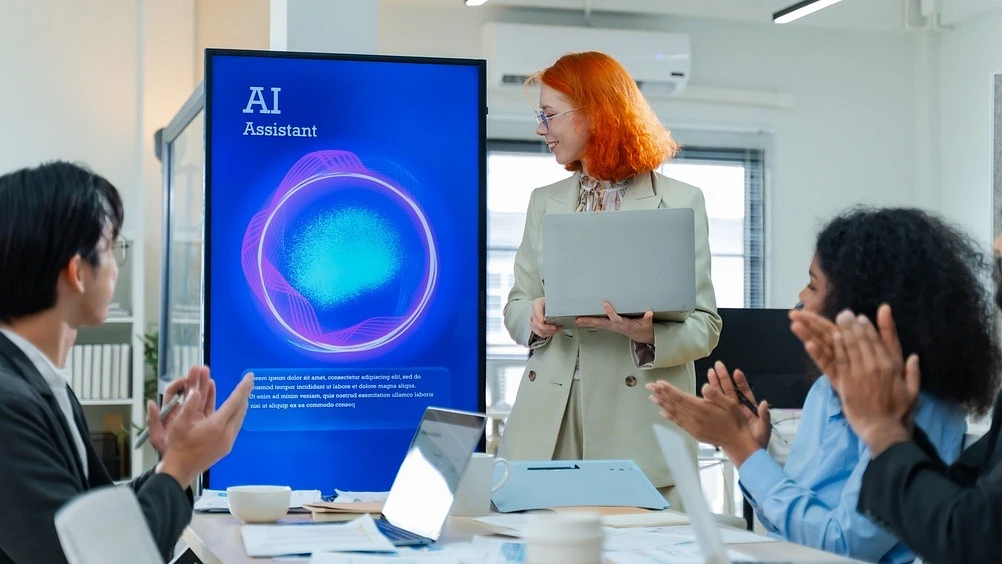
So, generative AI. That's your ChatGPT, Midjourney - spits out emails, images, code. But agentic AI? That's a different beast. It doesn't just draft a complaint to customer service; it actually sends the thing, then follows up, maybe even haggles for a refund while you're grabbing lunch. We're talking systems that can handle multi-step workflows on their own. They look at the context, the goals you gave them, and make calls without you babysitting.
Why's this happening now? The pieces finally clicked into place. Large language models got better. Their reasoning sharpened. And crucially, they can now tap into real-world APIs. So instead of just talking about doing something, they can reach out and actually do it.
Real-world applications on the horizon
By late 2026, expect:
-
Coding assistants that debug, test, and deploy code end-to-end
-
Logistics coordinators managing supply chains without human micromanagement
-
Personal admin bots scheduling appointments, managing bills, and even handling some HR tasks
2. Spatial Computing and the "Post-Screen" Era
The hardware maturity (Glasses, not headsets)
Remember those bulky VR headsets that gave you a neck cramp? 2026 is the year spatial computing hardware finally slims down. We're talking AR glasses that look almost normal - no giant battery pack, no face-hugger vibes. Apple, Meta, and a bunch of startups are racing to deliver wearable displays that blend digital info with real-world vision seamlessly.
Enterprise adoption of Digital Twins
Forget gaming for a sec. The real money is in enterprise. Manufacturers use digital twins to simulate factory changes before moving a single wrench. Surgeons practice complex procedures on virtual patients. Even city planners model traffic patterns in real-time 3D environments.
|
Industry |
Spatial Computing Use Case |
Impact |
|
Manufacturing |
Digital factory twins |
30-40% reduction in downtime |
|
Healthcare |
AR-assisted surgery |
Improved precision |
|
Retail |
Virtual try-ons, store layouts |
Higher conversion rates |
3. Sustainable Technology
Green Hydrogen and Next-Gen Batteries
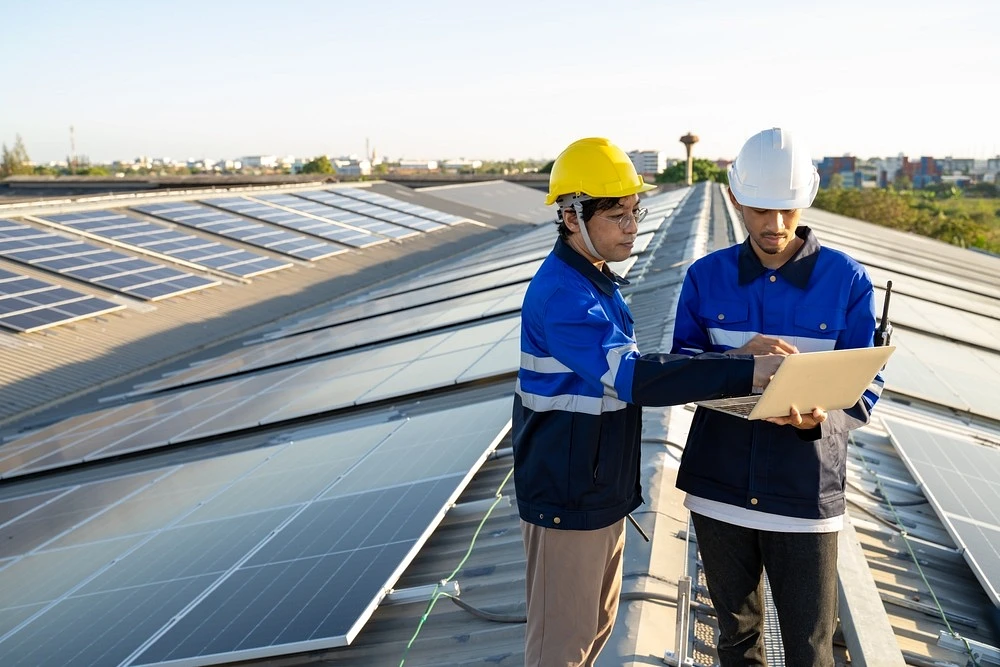
So, we're finally seeing sustainable tech that actually delivers, not just marketing fluff. Green hydrogen production is ramping up big time. A bunch of gigawatt-scale plants are slated to go live in 2026, which is a massive win for heavy industry - like steel and cement manufacturing. Then there's solid-state batteries and iron-air storage systems. They're finally escaping the lab and getting into real-world commercial projects.
Here's why this matters. For renewables, storage has always been the main hurdle. Solar panels are great when sun shines, but come night, they stop producing power. Now, with improved batteries and hydrogen storage, we can run grids on clean energy around the clock. That's a game changer.
AI-Optimized Power Grids
Machine learning tackles power intermittency head-on. For example, smart grids use it to forecast demand drops before they happen. They balance loads dynamically, making adjustments every second. And they can switch between energy sources instantly – like when a solar panel gets shaded or a turbine slows down.
This stability is basically invisible when everything’s working correctly - most people never even notice their lights flicker for a split second while the system reroutes power. And honestly, that’s the whole point. For critical infrastructure, the tech needs to stay boring. If it ever becomes interesting, it means something has already failed.
4. The Evolution of Digital Identity and Privacy
The death of the password (finally)
Passwords suck. We all know it. 2026 is when they finally die for real. Passkeys - cryptographic keys stored on your device - are becoming standard. Biometrics get smarter. No more "Password123!" getting hacked for the millionth time.
Self-Sovereign Identity (SSI) on the rise
Here's where it gets spicy. Instead of Google or Facebook holding your identity, you do. Self-sovereign identity systems let you control your own data, sharing only what's needed when it's needed. Blockchain-based credentials are moving from crypto-bro fantasy to actual standards.
5. Next-Gen Robotics
The "iPhone moment" for humanoid robots
Bipedal robots have been clunky sci-fi props forever. But 2026 might be their iPhone moment - when hardware, AI, and cost finally align. Companies like Figure and Boston Dynamics are shipping robots that can walk, balance, and manipulate objects with near-human dexterity. Warehouses first, homes eventually.
Swarm robotics in logistics
Why have one big robot when you can have 50 little ones? Swarm systems use collective intelligence - think ant colonies, but made of metal. They're more resilient, adaptable, and often cheaper than single-purpose mega-machines.
6. Quantum and AI
Quantum Machine Learning (QML)
No, you won't have a quantum smartphone in 2026. But cloud-based quantum services are starting to tackle problems classical computers choke on - molecular simulation, cryptography, optimization at insane scales. When quantum meets AI, you get systems that can model complex chemical reactions in minutes instead of years. Future technology predictions suggest this combo will accelerate drug discovery and materials science big time.
7. Health Tech
Non-invasive BCI (Brain-Computer Interfaces)
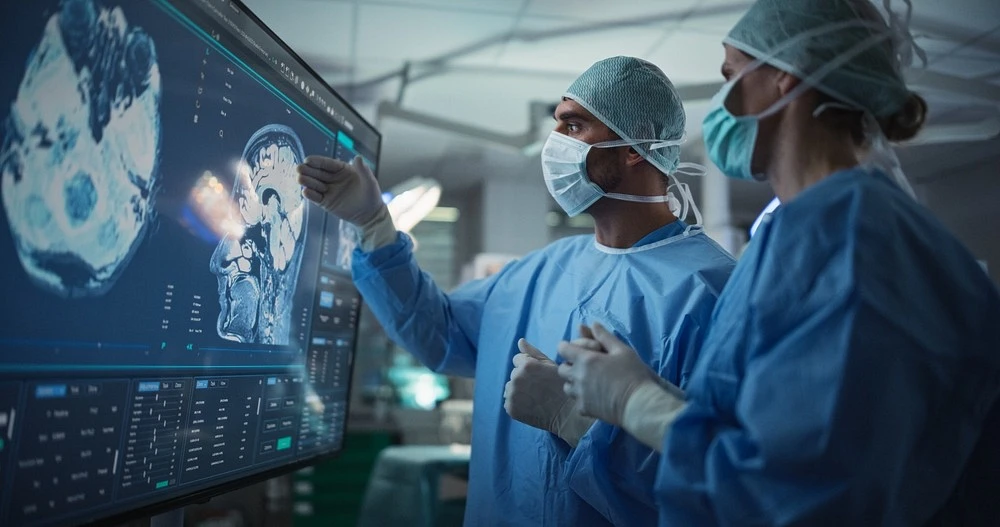
Neuralink hogs the spotlight, but the meaningful progress is happening outside the skull. Startups are now shipping wearable caps and headbands that pick up brain signals. They are already being used for concrete things: helping stroke patients retrain neural pathways, giving therapists objective data on mental health, and letting workers track their focus levels.
The key difference is accessibility. You don’t need an operating room or a neurosurgeon; you just put on a device. This shifts the value from science fiction to practical rehab. For someone recovering from an injury, a headband that provides real-time feedback on brain activity can turn a boring exercise into a game. That is where the adoption will happen - not in labs, but in clinics and homes. The big shift here is moving from "reading thoughts" to actually tracking brain health as a routine metric, like checking heart rate. It ditches the surgery, keeps the science, and aims for actual utility.
AI-driven drug discovery hitting the market
Drugs designed entirely by AI in the early 2020s are entering final trials or early market entry. This isn't theoretical anymore - it's on pharmacy shelves.
Synthesizing the Future
None of these trends exist in isolation. AI needs quantum computing because classical machines hit a wall with certain optimization problems. Robotics needs AI for on-the-fly decision-making, otherwise a bot's just a fancy remote-controlled toy. Spatial computing needs better batteries - nobody's wearing clunky headsets for long. And sustainable tech? Can't scale without AI-optimized grids balancing loads in real time.
It's all connected. The tech stack of 2026 is a web, not a ladder - pull one thread and the whole thing moves.
FAQ
Will AI take my job in 2026?
Honestly? Probably not. But don’t get too comfortable - the job description’s going to look pretty different a few years from now. With agentic AI on the rise, it’s more about augmentation than robots literally taking your desk. Let’s break that down. A marketing team can have AI spit out a hundred taglines in seconds, but someone’s still gotta do the gut check. Does this actually land with real people? Does it get the vibe of the room right? That’s the human piece - cultural nuance, emotional resonance, whatever you wanna call it. Same deal with a lawyer. AI can draft a solid motion, sure, but when you’re in front of a jury, you gotta argue it with some feeling. You gotta read the room, pivot if you’re losing them. That’s not a data problem; that’s a people problem. Those are the spots where you’ll still find real value.
Is 6G available in 2026?
Nope. We're still in standards-setting and testing phases. Consumer 6G is more like 2028-2030. Don't toss your 5G phone just yet.
What is the biggest risk in emerging tech for 2026?
Energy consumption. AI data centers are power-hungry beasts. As AI scales, so does its carbon footprint - unless sustainable tech catches up fast. Also, cybersecurity. More connected devices = more attack surfaces.
How will these trends affect e-commerce and travel?
Honestly, depends on which trend you’re looking at. Take AI agents - they’re gonna push personalization way past what we’re used to. We’re talking about shopping experiences that actually feel tailored, not just the usual “recommended for you” fluff. Then there’s spatial computing. That one’s a game-changer for travel and retail because you can almost literally try stuff on or test gear before buying, without leaving your couch. It’s not perfect yet, but the potential’s huge. Meanwhile, better battery tech is quietly making electric vehicles practical for long trips. That shifts how we think about road travel - greener, cheaper, and suddenly feasible for vacations. And behind the scenes, smarter systems are already tweaking flight prices and hotel suggestions in real time, often in ways you don’t notice but definitely feel in your wallet.