








🎯Too Long; Didn’t Read
-
For decent weather that won't overwhelm you, target May or the stretch from September into mid-October.
-
Skiing demands snow. Aim for December through March. Prime conditions usually hit in January and February.
-
Want to avoid the masses? Target January, February, or November. Heads up, though—some spots operate on reduced schedules or shut down entirely.
-
Event-focused? The Balloon Fiesta dominates October. Santa Fe's arts scene ignites in the fall, while summer packs the state with various festivals.
-
Hiking finds its ideal window in the fall. Spring is a solid alternative, just brace yourself for wind. Summer hikes require a strategy: either a punishingly early start or a commitment to higher elevations.
New Mexico defies the simple Southwest label. Sure, desert's part of the deal, but it also rolls out alpine forests and high plateaus. Elevation shifts all over the state, so weather can go from one extreme to another depending on where you are. Picking the right time to visit? That boils down to your agenda and the specific spots you're checking out.
Understanding New Mexico's Climate

New Mexico sits high. Much of the state sits between 4,000 and 7,000 feet; Santa Fe crests that 7,000-foot mark. This elevation creates a thermal shift. While sharing a latitude with Arizona and Nevada, the experience diverges—temperatures run cooler. The atmosphere lacks moisture; humidity hardly ever sticks around. Heat becomes tolerable. The cold at night? Sharp.
Sun is practically a constant, dominating the sky some 300 days a year. Precipitation waits for the late summer monsoon. From July into September, storms typically build by afternoon. They release a heavy, brief downpour before clearing out. Winters guarantee snow in the north. The southern part of the state is a different story—maybe a light coating, maybe nothing at all.
Spring: March Through May
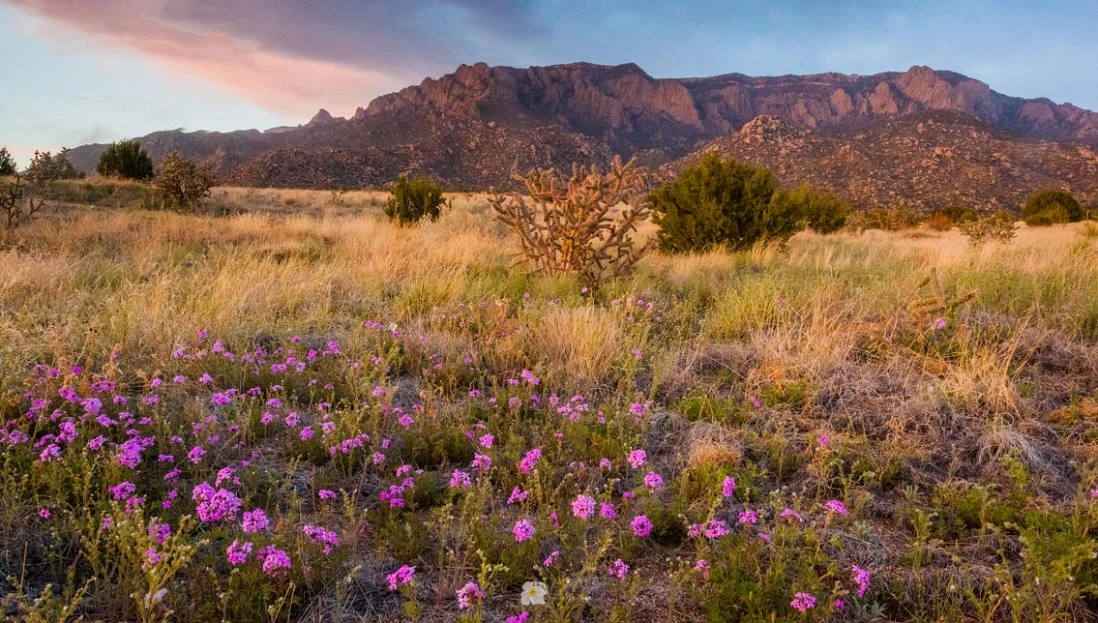
Weather Patterns in Spring
Spring in New Mexico is a slow warm-up. Daytime temps in Albuquerque creep from the 50s in March into the 70s and even 80s by May. Don't be fooled, though. Nights hold onto winter's chill, frequently diving back into the 30s. It’s a different story up north or at higher elevations—those spots just stay cooler.
Wind becomes a real feature. It kicks into high gear, whipping up dust storms across the southern and eastern plains. Precipitation is unreliable. Rain shows up here and there. Meanwhile, the mountains aren't done with snow; that can linger through April. By May, the winter conditions have mostly packed their bags, only sticking around on the very highest peaks.
This seasonal shift rewrites the scenery. Desert plants burst into color. Wildflowers pop up in spots you'd never expect.
What Spring Offers
Spring's the secret. It's quieter than the summer and fall hype, so you'll snag better hotel deals and actually have some elbow room. Imagine walking Santa Fe's main plaza and being able to just breathe, not constantly sidestepping tour groups.
The trails open up. You can hit paths that are either sweating buckets in summer or totally snowed-in come winter. White Sands is a prime spring target—you want to go before the heat gets merciless. That white sand reflects everything, making a summer visit genuinely punishing.
Some ski spots, like Taos, run through early April. If the winter snowfall cooperated, you might find decent conditions. But planning a whole trip around spring skiing? That's a gamble.
Summer: June Through August

Weather and What to Expect
June kicks off hot and just keeps turning up the heat. In Albuquerque, expect the mercury to soar into the 90s regularly. Down south, Las Cruces cranks it past 100. But elevation is the great equalizer. Santa Fe seldom touches 90, and those mountain towns? Downright pleasant.
Then, early July, the monsoons arrive. These aren't gentle showers; they're dramatic afternoon spectacles. Lightning cracks, rain hammers down, turning arroyos into instant flood zones. They're over fast, though. Mornings usually dawn crystal clear. By evening, the skies clear out. You just have to stay flexible with your plans.
The payoff? A temporary cooldown. After a storm, temps can plummet 10 to 20 degrees. That distinct smell of rain on parched earth—petrichor to the locals—hangs in the air.
Summer Activities
Planning a New Mexico summer trip? Schools are out, and the family vacation rush is on. National parks hit capacity. You’ll need to plan lodging and snag restaurant reservations weeks in advance—Santa Fe and Taos get packed.
Everyone heads for higher ground. The Sangre de Cristo and Jemez Mountains, plus spots near Ruidoso, provide serious heat relief. Hiking, camping, fishing. All solid options when the lowlands bake.
Carlsbad Caverns is a no-brainer. A constant 56 degrees. Walking in from triple-digit heat is instant relief; your sweat dries in seconds.
The event calendar fills up. Albuquerque runs multiple festivals, including the New Mexico Wine Festival around late May. Don't overlook smaller towns—they host their own shindigs all season.
White Sands? That's a different story. Surface temps can hit a brutal 140. Your only play is a pre-dawn visit. Otherwise, just wait for fall.
Fall: September Through November
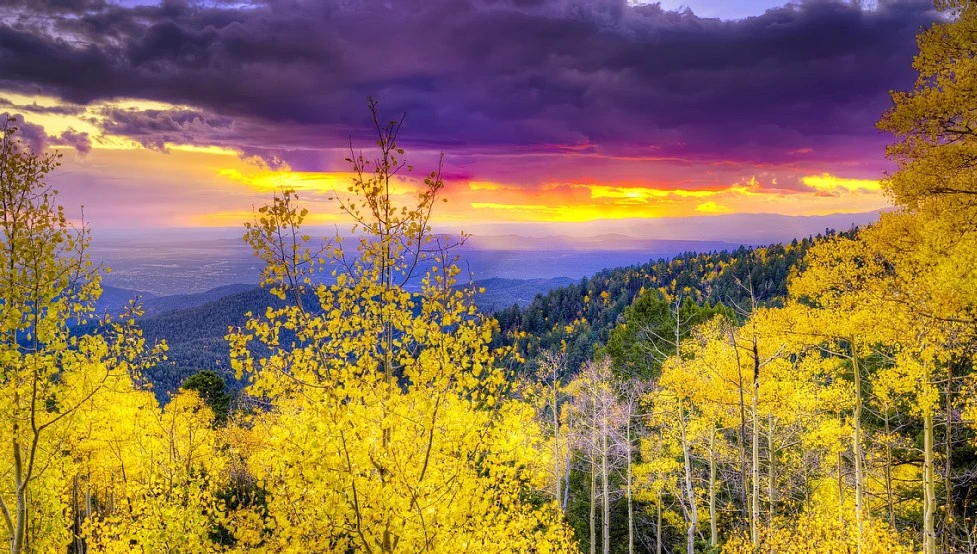
Why Fall Works
The brutal summer heat finally relents. September still hits the seventies, even eighties, but it's a different kind of warm—less scorching, more tolerable. Come October, expect sixties and seventies. November’s daylight hours remain comfortable despite the cooling trend.
Monsoon storms mostly vanish after September. The occasional one might pop up, but they're sparse. Rain is practically a no-show by October. That's when the sky achieves that famous, deep desert blue.
Then the aspens go off. From late September into mid-October, elevation dictates the show. The transformation isn't gradual; whole slopes flip from green to blazing gold, fast. This spectacle draws every leaf-peeper out there, jamming the High Road to Taos and similar scenic routes.
Fall Events and Attractions
Albuquerque’s International Balloon Fiesta dominates early October. It’s a massive gathering, one of the largest on Earth. For nine days, hundreds of balloons launch from one field. The real spectacle is the mass ascension. Dozens of envelopes fill the sky at once, a sight that pulls in massive crowds. Secure a hotel room months ahead. Another option: base yourself in Santa Fe and make the drive.
Santa Fe’s autumn calendar fills with arts events. Think gallery walks, studio tours, local markets. The city really leans into its creative identity this season.
This is prime hiking season. Temperatures are moderate; rain is scarce. Trail systems across the state become accessible. Hit Bandelier National Monument, explore Tent Rocks, or traverse the Sandia Mountains.
Then there’s the chile harvest. The smoky scent of roasting green chile hits you everywhere. You can buy it by the pound from markets or pop-up roadside stands. Restaurants build special harvest menus around it. For anyone into food, this is essential.
Winter: December Through February
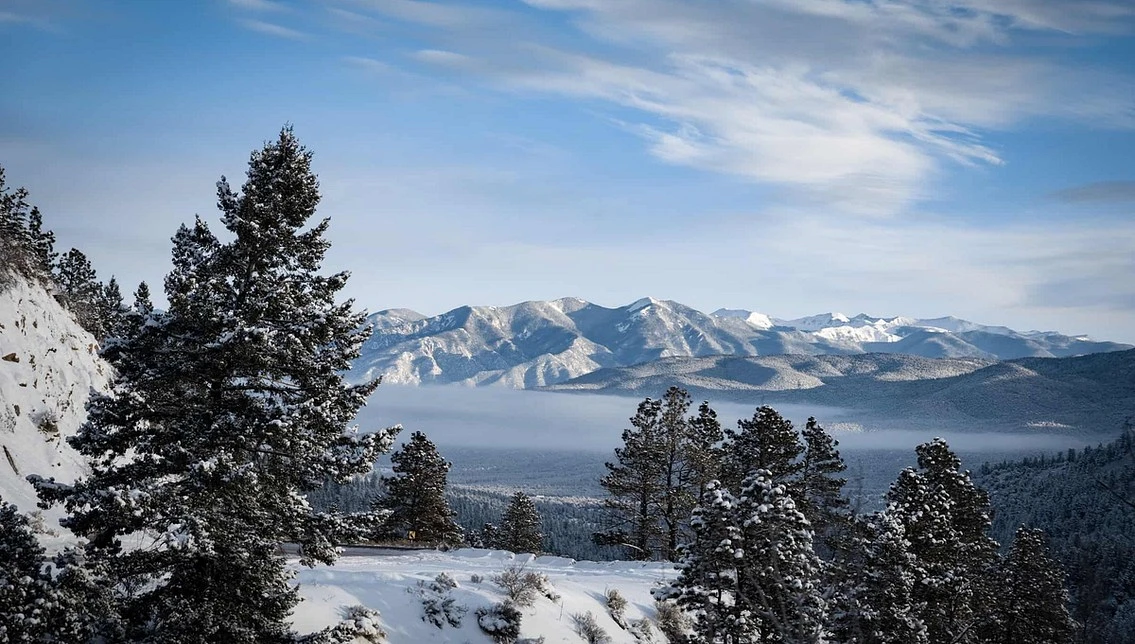
Skiing and Snow Sports
Don't sleep on the skiing in Northern New Mexico; it's the real deal. The snowpack usually builds by December and holds through March, even stretching into April some years. For reputation, Taos Ski Valley dominates the national conversation. But other spots—Angel Fire, Red River, Ski Santa Fe—deliver solid alternatives.
Each resort serves a different crowd. Angel Fire and Red River are family hubs, perfect for intermediates. Taos, however, is for experts seeking a challenge. Ski Santa Fe is the obvious choice for convenience, easily accessed from the city.
Holidays like Christmas and President's Day weekend see a major crowd surge. Outside those peak times, you'll find noticeably more space on the slopes. It’s a stark contrast to the packed resorts in Colorado. You can actually ski instead of just waiting in line.
Winter in the Rest of the State
Albuquerque chills out in winter, but heavy snow is rare. Days hover in the 40s; nights often drop below freezing. When snowstorms hit, they’re usually gone fast.
Santa Fe, higher up, cops more snow. The plaza dusted with white looks sharp—luminarias add a glow during the holidays. Streets clear up quick, though, within a day or two.
Southern New Mexico stays mild. Las Cruces hardly ever sees a freeze. Golf in shorts? Totally doable on many winter days.
Hotel rates plummet outside ski zones and peak holidays. January and February are dead months for tourism. You can snag cheap stays and have spots largely to yourself.
Christmas here stands out. Luminarias—simple paper bags weighted with sand and a candle—line paths and rooftops. Santa Fe and Albuquerque both deck them out big time. Worth a look if you’re around.
Regional Differences Matter
-
Northern Mountains: A genuine escape from the heat. Winters dump serious snow, locking the area in a deep freeze. Come summer, the air turns crisp and pleasant. Target May through October for access. The ski season, obviously, flips the script entirely.
-
The High Desert: Home to Albuquerque and Santa Fe, this region actually gets all four seasons. Temperatures mostly stay moderate, with just a occasional snow dusting. It's a solid year-round bet. The vibe completely shifts from season to season.
-
Down South: Near Las Cruces, it's a different story. Summers are seriously hot. You'll want to avoid that. Winters, however, are mild and dry—your prime window is October through April to skip the worst heat.
-
Eastern Plains: Prepare for unpredictability. Wild temperature swings and persistent wind are the norm. Tourist infrastructure is thin out here. Your best chances for manageable conditions are spring and fall.
Always pull a detailed forecast for your specific destination. Santa Fe and Truth or Consequences might share a state border, but their weather realities are worlds apart.
Crowds and Costs
-
Summer travel here demands a bigger budget. Hotels in places like Santa Fe and Taos jack up their rates from June to August. Rental car companies follow suit.
-
That high demand bleeds right into fall, thanks to the Balloon Fiesta and the peak color season. If you're aiming for early October, book everything far in advance.
-
Winter flips the script. It's prime time for deals, outside of ski resorts and major holidays. Come January, hotel vacancies are common and restaurant staff have more bandwidth.
-
Spring hits a sweet spot. You get reasonable prices and manageable crowds—a solid middle ground.
❓FAQ❓
What should I know about altitude sickness in New Mexico?
Coming from sea level? That oxygen-starved air will slam you. Your new mission: drink water constantly. Take it ridiculously easy for the first two days. And ditch the alcohol. Your body needs to acclimate, not fight for its life.
Are there any notable safety concerns for outdoor activities?
Up here, the sun hits differently—seriously strong. Sun protection? Skip it, and you're asking for trouble. Mountain weather switches up fast, no warning. Layer your gear so you can adapt on the go. And water? Always have it with you.
Can I combine skiing with hot springs visits?
Sure. Taos and Ski Santa Fe sit near Ojo Caliente. Ski all day, then soak in warm, mineral-rich springs. That ends a cold-weather trip right.