









🎯Too Long; Didn’t Read
Texas is a big, stubborn place. Picking your month is everything. It's the gap between a great trip and a miserable one.
-
April or October. They're your best shot. The weather's dialed in—not too hot, not too cold. Rain rarely messes with your plans. All the attractions are open, running full tilt. Crowds are manageable. You can actually get in.
-
November is a solid backup. March can work, but dodge Austin for SXSW and skip South Padre during Spring Break chaos.
-
Skip July and August. Brutal. Only go then if you're glued to an AC vent or live on a boat.
-
Winter is for the budget-conscious. You'll save cash. Just know some places cut their hours when it's cool.
-
Summer is purely for the water. Rivers, lakes, the coast. You will be sweaty. Accept it.
Texas ain't bothered by your schedule. It heats up out of nowhere, and sometimes it goes cold like winter. This place spans 268,000 square miles—so El Paso's climate? Nothing like Houston's. Your timing? It matters way more here than in other places.
Understanding Texas Seasons
Spring (March to May)
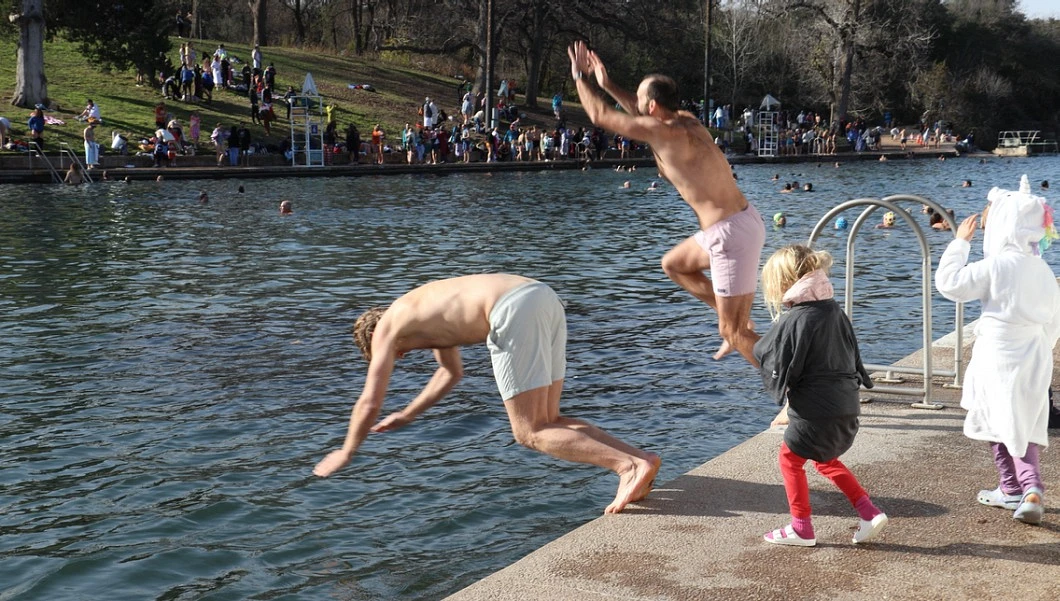
Spring generally wins. No argument there.
Temperatures hover from the mid-60s to mid-80s from March through May. Mornings stay cool—ideal for patio coffee. The afternoons bring warmth without the later, suffocating weight; the state’s notorious humidity hasn’t been cranked up to its full, sticky peak. This holds especially for the central and western regions.
Then the wildflowers hit. Bluebonnets smother highways and ranch land, a defining vision in the Hill Country near Fredericksburg and Johnson City. Indian paintbrush and winecups splash in with red and purple. The whole scene has people pulling over constantly for photos, snagging traffic on even the smallest backroads.
Rain does happen, but it's not constant. Central Texas gets these abrupt afternoon thunderstorms. They can be dramatic—lashing rain, hail, lightning—but they usually blow through fast. West Texas stays drier. The Gulf Coast, however, sees more frequent, consistent showers.
Tourist numbers definitely climb. San Antonio's River Walk gets busy. Austin? It chills hard during South by Southwest in mid-March. The city packs out, hotel prices rocket, and availability tanks. Book months ahead for that.
Summer (June to September)
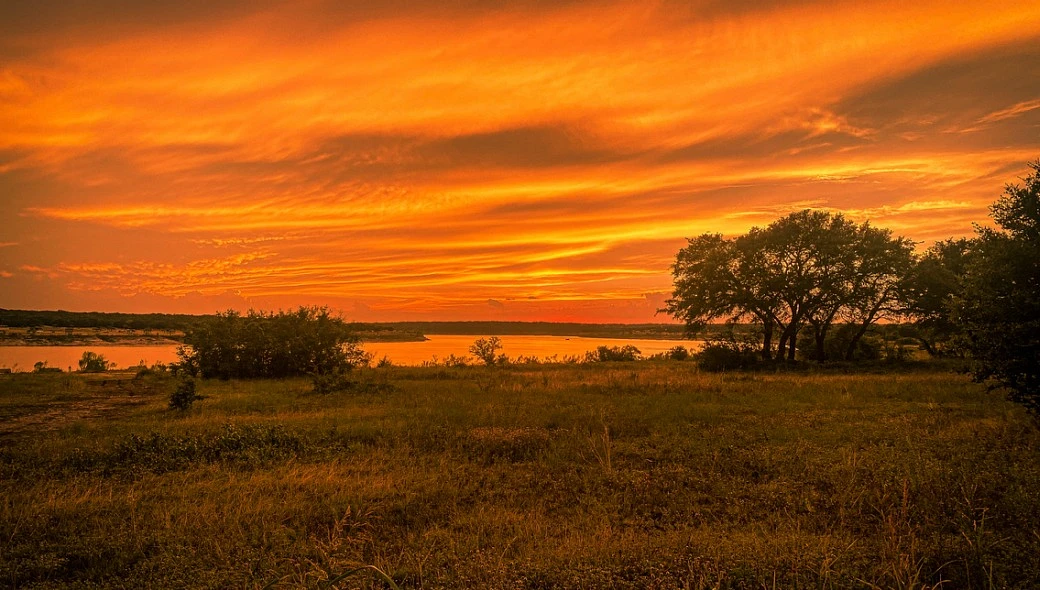
Summer in Texas? Punishment. From June through September, the heat settles in and stays put.
Temps reliably hover from the mid-90s to 105. Dallas basically lives at 100-plus come July and August. Houston? The humidity skyrockets, making 95 degrees feel thick and suffocating—like the air itself has weight. Austin’s concrete and asphalt soak up the sun all day, then pump that heat back out long after dark. San Antonio faces the same grind.
Down on the Gulf Coast, readings might drop to the low 90s, but the mugginess compensates big time. Step outside, and your shirt is soaked in minutes. Air conditioning transitions from luxury to necessity.
Out in West Texas and the Panhandle, things get a bit more tolerable. El Paso deals with the heat, but the low humidity and desert climate mean the nights actually cool down. No relief like that in Houston.
There are perks, though. Hotel rates and attraction prices drop. The crowds thin out. This is when water activities make perfect sense: floating a river, hitting a lake, or braving a water park. South Padre Island becomes the go-to spot. The Gulf water hovers around 85 degrees, a genuine refreshment compared to the blistering beach sand.
Keep in mind, hurricane season runs June through November, with its peak in August and September. Coastal towns like Galveston, Corpus Christi, and South Padre face potential disruptions, from evacuations to storm damage.
Fall (October to November)
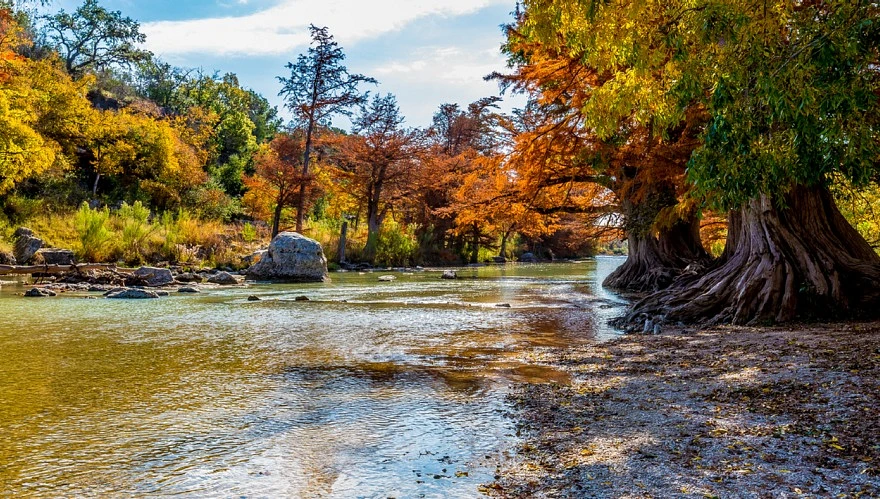
October finally brings relief. The intense heat breaks, with temperatures settling into the 70s and 80s. Humidity lets up. You can actually exist outside; you're not melting anymore.
This cool trend continues into November. Daytime temps typically range from 60 to 75. Mornings and evenings demand long sleeves, maybe even a jacket. Rain is less frequent, especially out west.
Your social calendar explodes in the fall. Dallas hosts the massive State Fair of Texas, a September-to-October marathon. Then Austin City Limits commandeers Zilker Park. For a completely different scene, there's Wurstfest in New Braunfels—think German tradition, just in time for November. And skip the big cities? Don't. Quaint towns throw their own harvest shindigs, all pumpkin patches and twisting corn mazes.
This is also when college football culture peaks. Understanding it requires a visit now. Teams like the Longhorns and Aggies battle on weekends. Tailgating is a whole production, starting hours before the game. Stadiums swell to bursting, cramming in 100,000-plus fans.
Tourist traffic picks up in the fall, sure. But it's not the spring break chaos. You can still snag a hotel room in most places without booking months out. Prices won't gouge you.
Winter (December to February)
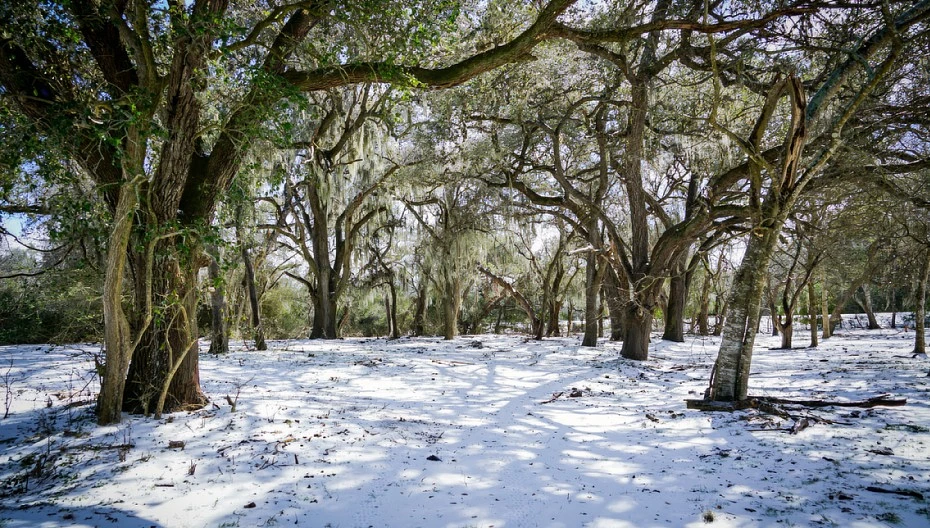
Winter in Texas? Forget what you know from up north. December to February, temps mostly hang between 40 and 65 degrees.
But the Panhandle and bits of West Texas actually get chilly. Amarillo regularly drops below freezing. Snow pops up sometimes up there, but it doesn’t stick around long. Dallas and Fort Worth chip in with a few freezing nights each year.
Central and South Texas? Generally mild. Austin, San Antonio, Houston—temps seldom drop below 40. Daytime highs often land in the 50s or 60s. Pack a jacket, but nothing bulky.
The Gulf Coast takes the warmth crown. South Padre Island consistently hangs in the 60s and 70s. That draws Winter Texans—snowbirds ditching colder digs—to the Rio Grande Valley.
Rain barely shows up. The state dries out compared to spring. Skies clear up, sun dominates.
Tourist crowds? Basically zero. Major attractions run shorter hours or cut back. Some Hill Country wineries close on weekdays. But you score peace and quiet—no lines, no crowds, parking’s easy.
Regional Breakdowns
Gulf Coast
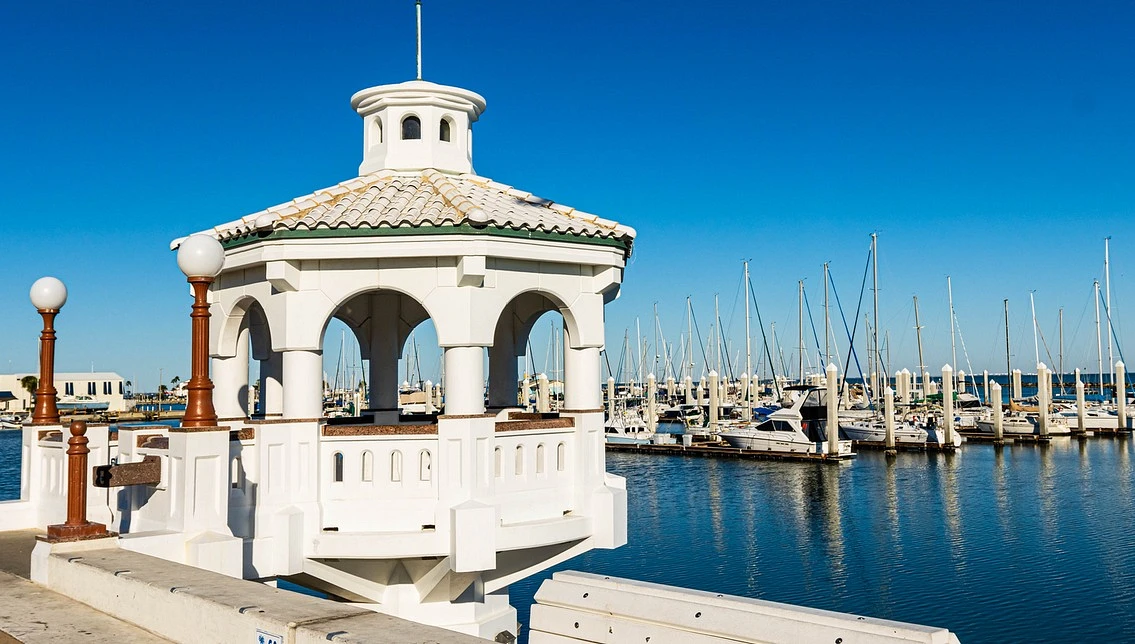
The Texas coast plays by its own rules. Places like Galveston, Corpus Christi, and South Padre Island have a beach season that stretches from March into October. You can actually get in the water by April. Summer? That's prime time for the warmest water, but you trade that for thick, oppressive humidity and the ever-present hurricane watch.
For the savvy traveler, May and September are the sweet spots. The water's plenty warm, the crowds thin out, and the hurricane odds drop compared to the August peak.
Even winter works. It's mild. Perfect for long walks on the beach or exploring towns. Don't pack your swimsuit—you won't be swimming. But you also won't be shivering. It's a different kind of trip.
Hill Country
The stretch encompassing Fredericksburg, Boerne, and Kerrville truly wakes up in the spring and fall.
Spring is all about the wildflowers. The influx of visitors is no joke. Good luck finding a hotel on a weekend. Wineries and their tasting rooms get packed, and the main streets through those small towns? Total theme-park level crowds.
Temperatures drop come fall. The air turns crisp, with little rain. For the wineries, it's harvest. That shifts the local calendar. From late August through October, the focus is on events. Think grape stomps, barrel tastings, and release parties.
Now, summer out here is punishing. The heat routinely pushes past 100. Hiking becomes a chore, a sweaty type of miserable. Visitors still tackle the trails, but they often regret it.
Winter is the quiet season. Some shops cut back their hours. The trade-off? Mild temperatures and empty spaces. You'll have those trails and tasting rooms pretty much to yourself.
West Texas
Think of West Texas—Big Bend, Marfa, the Davis Mountains—as operating on a different clock than the rest of the state.
Spring and fall deliver the good stuff. Days are typically in the 70s and 80s. Then night rolls in and the bottom drops out; you might need a jacket when it dips into the 40s.
Summer is a beast. In Big Bend, the mercury can top 110. Hiking in that midday sun becomes a serious risk. Rangers don't just suggest, they push for an alpine start—hit the trail before 9 AM.
Winters are cool, often cold. Freezing nights are standard. You might even see snow capping the high peaks in the Bend and the Davis range. But those days? They frequently climb into the 50s and 60s. That's your window. That's exploration weather.
Major Cities
Dallas, Houston, Austin, and San Antonio operate under the same basic climate rules. The execution, however, is totally different.
-
Houston sits on the Gulf. That means humidity is a constant—the air is so thick you feel it.
-
Dallas, in contrast, gets more dramatic with the thermometer. It’s colder in winter, hotter in summer.
-
Austin and San Antonio are the most similar. But Austin’s hills take the edge off the heat. San Antonio, out in the open, gets the full force.
Spring and fall are the prime times here. Surviving a Texas summer means mastering the dash between air-conditioned refuges. Winters are generally tame, true, but prepare for the odd freeze that ices everything over.
Event Considerations
Planning your trip around an event? Book early, or you're out of luck.
-
Austin gets packed. For South by Southwest in March, you need to lock in hotels months in advance. Anything within ten miles of downtown vanishes. Prices don't just go up—they triple. The same scramble happens for the Austin City Limits Festival in October.
-
Houston has the Rodeo. That's every day for 20 days in March, pulling in over two million people. San Antonio's version is a February affair.
-
October in Austin means Formula 1. The Circuit of the Americas draws a global crowd. Every hotel room sells out.
-
Then there's Spring Break on South Padre Island. March is pure chaos as students swarm the place. Seek quiet? Go somewhere else, anytime else.
-
The State Fair of Texas in Dallas is a different beast. It runs September into October. Hotels are easier, but the traffic around Fair Park? Total gridlock.
Practical Considerations
-
Flight prices hinge on demand. Summer? Lower. With fewer business travelers and tourists, carriers drop fares. Winter can be cheap too. But spring and fall? That's when costs jump.
-
Rental cars are a different story. The price stays mostly flat all year. The exception is a major event—then prices shoot up.
-
Hotel rates are all over the place. Come summer, expect to pay 20% to 40% less than in spring or fall. Winter digs are even cheaper.
-
Attractions and state parks keep their entry fees steady. A few might knock a few bucks off in the winter.
Texas ACs don't quit from May to September. Every building—your hotel, your car—will have it blasting. If you get chilly, toss a light jacket in your bag.
❓FAQ❓
What should I pack for a trip to Texas in unpredictable weather?
Pack layers. A light jacket is essential for those random cold fronts that barrel through. And never skip sunscreen—the Texas sun is no joke, even in winter.
Are there any lesser-known outdoor activities beyond festivals and city events?
Skip the crowds. For hiking, start before sunrise in Big Bend to beat the heat. Later, find a campground in the Hill Country after sundown; the stargazing is incredible without city lights.
How do I manage long travel distances within Texas?
Plan for drive time. The state spans 268,000 square miles. A trip between major attractions can easily consume half a day.