









🎯Too Long; Didn’t Read
-
Chasing perfect weather? Statewide, you’ve got two sweet spots: late March through April, and October into early November. That’s the best time to visit Arizona for reliable sunshine without the extreme heat.
-
Budget matters. For serious bargains, target Phoenix or Tucson in the scorching summer. Up in Flagstaff, winter is when prices drop.
-
Outdoor plans? Geography is everything. Stick to the low desert from October through April. For the high country, aim for May through September.
-
Hate crowds? Summer in the desert and winter in the mountains mean empty trails, quiet attractions, and restaurants without the wait.
-
Your heat tolerance decides a lot. Handle 110°F? Phoenix in July could work. Prefer 75? Spring and fall are safer, or just head north when the low desert bakes.
Arizona’s story starts in the Sonoran Desert, then quickly climbs. Scrubland gives way to high desert, then to mountains dense with ponderosa pine. Phoenix bakes at 115°F. That same day, Flagstaff chills at 70. The difference isn’t just weather - it’s elevation calling the shots. This place runs on vertical logic. What grows, what breathes, even how you live, hinges on that single, brutal fact: how high you stand.
Up north, the rim pushes past 7,000 feet. Down south, Yuma scratches out a living at 200. So when they say Arizona packs every climate short of rainforest and tundra-believe it. No exaggeration. Just geography playing hard.
Spring: March Through May
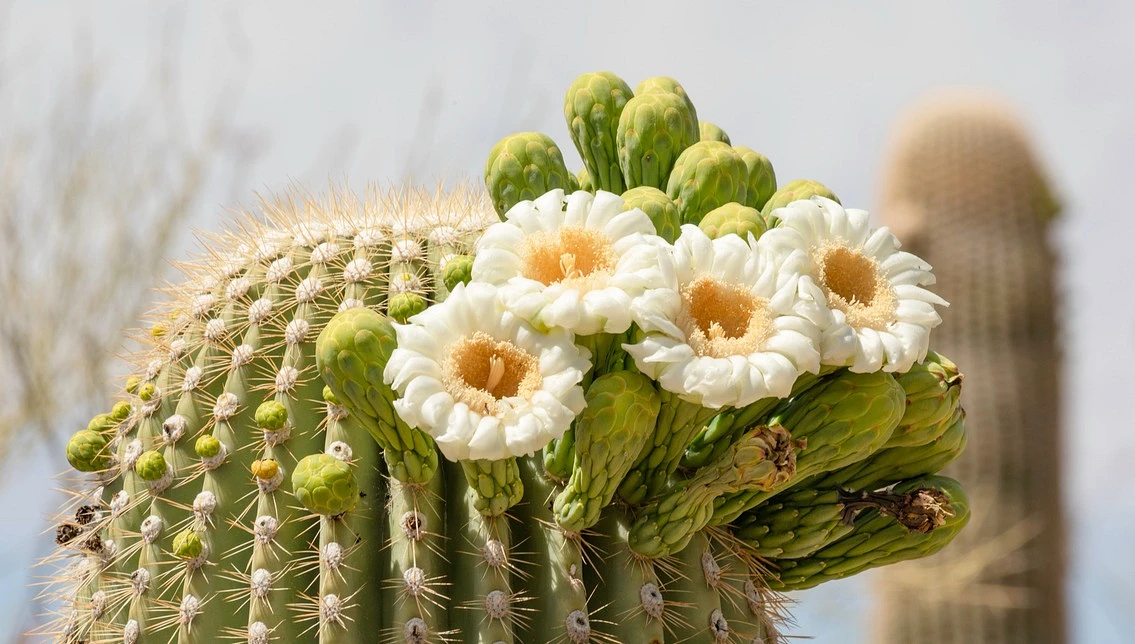
Spring wins for most visitors. March kicks off with temperatures climbing from the 70s into the 80s in Phoenix and Tucson. Comfortable. The desert blooms if winter rains came through, painting hillsides with poppies, lupines, and brittlebush.
April brings near-perfection for hiking and outdoor activities in the low desert. You can hit trails without starting at dawn to beat the heat. Temperatures range from mid-70s to mid-80s in the Phoenix area. Northern Arizona warms up too, though you'll still need layers in Flagstaff and Sedona.
May starts the transition. The low desert heats up fast. By late May, Phoenix regularly hits the 90s and occasionally touches 100°F. Tourist crowds thin out, which means better hotel rates and less competition for restaurant reservations. If you can handle increasing heat, late May offers value.
Spring break inflates prices and crowds, particularly in March. College kids flood Scottsdale and Lake Havasu. Families pack the Grand Canyon. Book early or avoid mid-March entirely.
The wildflower situation depends on winter precipitation. Some years deliver spectacular blooms. Other years? Not much. Don't plan a trip solely around wildflowers unless you're monitoring reports closely.
Summer: June Through August
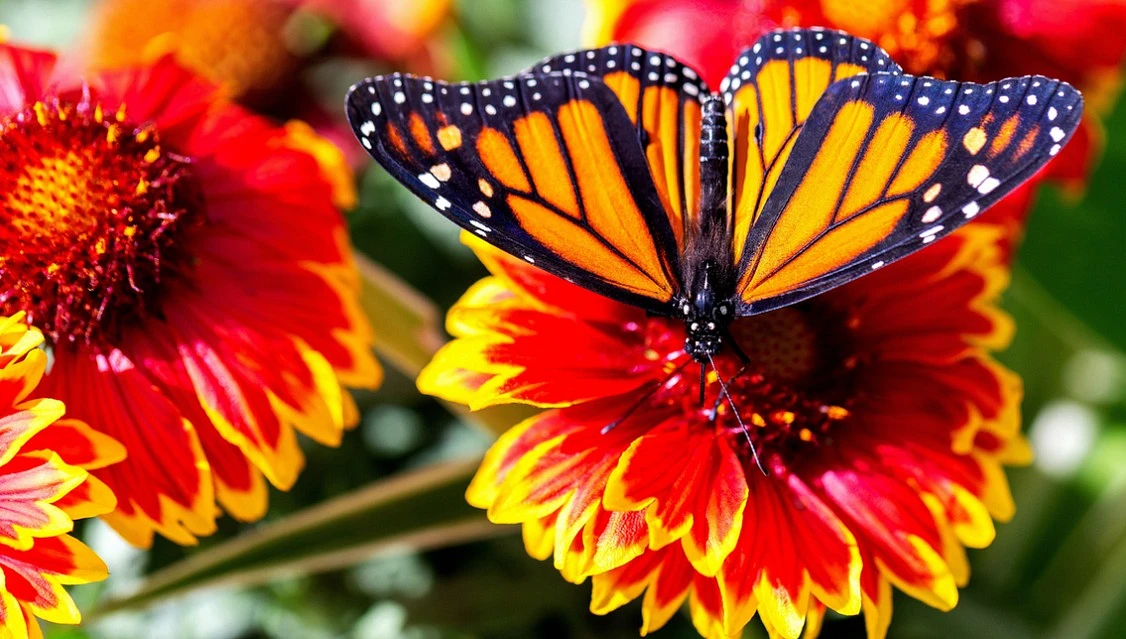
Summer in the low desert is brutal. Phoenix hits an average 106 in July. The heat doesn't just sit in the air - it radiates. Pavement shimmers. Touch a car door handle and you’ll pull back, fast. Locals talk about baking cookies on the dashboard. They’re only half-kidding.
Here’s the thing, though: summer has its perks if you play it smart. Hotel rates in Phoenix and Tucson plummet. You can snag a resort stay for a steal, places that cost triple come winter. It becomes manageable. Stay by the pool, respect the air conditioning, and ditch any major outdoor plans.
Then there’s the monsoon. Mid-June through September. Forget gentle rains. These are afternoon events: the sky boils over, lightning cracks, and downpours unleash fast. Temperatures can dive twenty degrees in minutes. Just as suddenly, it’s done. The relief is real, the cloud shows spectacular. But the price is flash floods, washed-out roads, and real danger.
High Country Summer Options
-
Head north to Flagstaff. At 7,000 feet, summer highs barely hit the 80s—a solid escape. For real cool and green, target the White Mountains: Alpine, Greer. These spots stay lush while the desert bakes. You get actual hiking, fishing, outside time that doesn’t punish you.
-
The Grand Canyon’s South Rim still functions in summer, crowds aside. It runs 15-20 degrees cooler than Phoenix. The North Rim operates mid-May to mid-October, snow permitting. Higher elevation means cooler temps and fewer people.
-
Massive reservoirs like Powell and Havasu pull huge crowds. Think floating parties, houseboats, perpetual spring break energy. Not a quiet retreat, but it’s peak season for water recreation.
Fall: September Through November
September isn't fall yet. The desert stays hot - often hitting 100°F until mid-month. But tourism stays slow, prices remain low, and by late September, temperatures start dropping.
October nails it. Phoenix and Tucson see highs in the 80s and 90s, lows in the 60s. Hiking conditions return. The crowds haven't fully returned either, making it ideal for outdoor activities without the spring rush.
November varies. Early November continues the pleasant pattern. Late November can bring cold snaps to northern Arizona. Snow might close North Rim access. Phoenix and Tucson remain comfortable, with temperatures in the 70s.
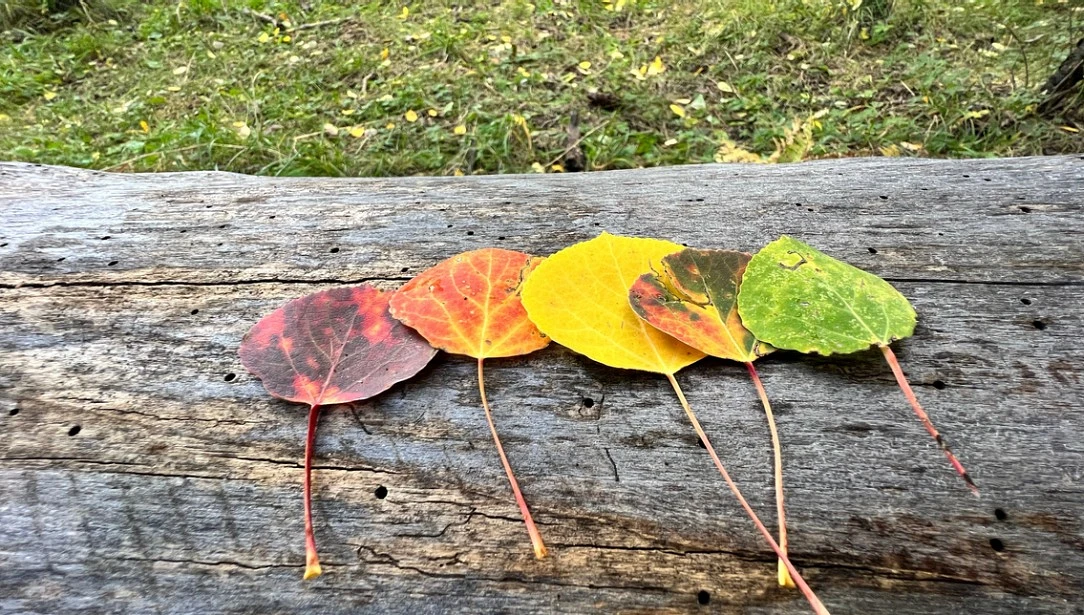
Fall colors don't compare to New England or the Rockies, but northern Arizona delivers. Aspens turn gold in the San Francisco Peaks around Flagstaff, typically peaking late September through early October. Oak Creek Canyon near Sedona shows decent color too.
Thanksgiving week gets busy. It's a popular time for Grand Canyon visits and Sedona getaways. Prices jump accordingly.
Winter: December Through February
Winter splits the state into two experiences:
-
Low desert areas shine during winter months. Phoenix becomes a destination for snowbirds escaping harsh winters. Temperatures hover in the 60s and 70s during the day, dropping to the 40s and 50s at night. Golf courses fill up. Spring training baseball starts in late February. This is peak season for Phoenix and Scottsdale, meaning peak prices. Tucson runs slightly cooler than Phoenix but offers similar winter appeal. Saguaro National Park looks stunning in winter light, and you can hike without dying from heat exposure.
-
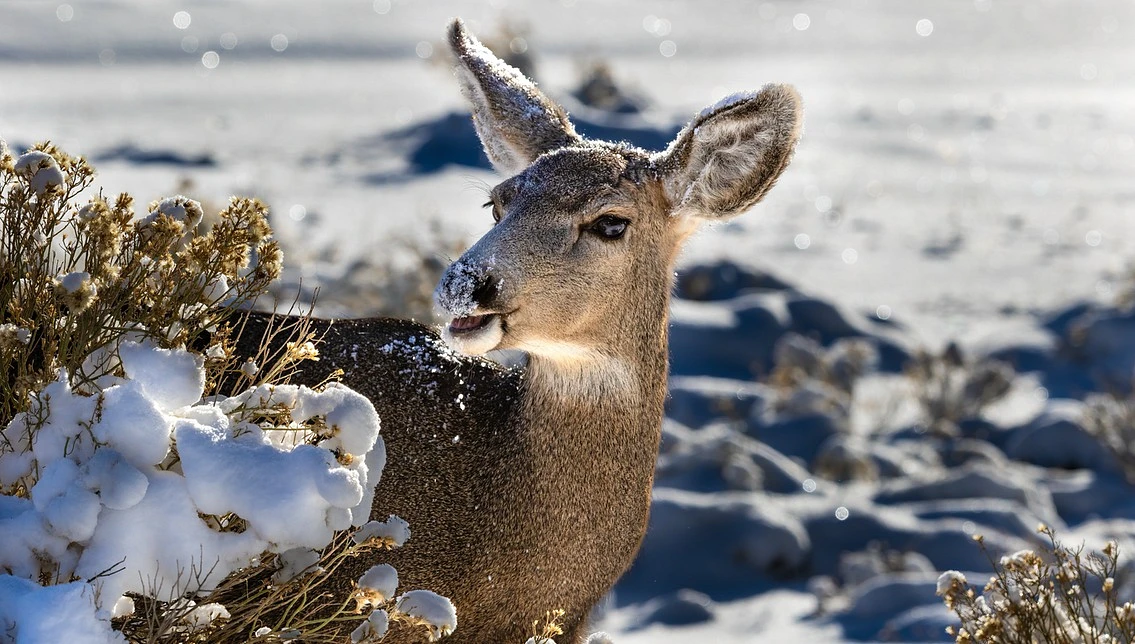
Northern Arizona gets real winter. Flagstaff averages 100 inches of snow annually. Snowbowl ski area operates from December through April, conditions permitting. Jerome, Prescott, and Williams see snow too. Roads can close. The North Rim of the Grand Canyon shuts down completely.
Winter offers the cheapest rates in mountain towns. Flagstaff hotels drop prices except during ski season weekends. If you're into snow sports or don't mind cold weather, northern Arizona provides a different side of the state.
December holidays bump up prices and crowds statewide. New Year's in Scottsdale costs serious money. January and February (outside major events like the Phoenix Open golf tournament and spring training) offer better value.
Regional Considerations
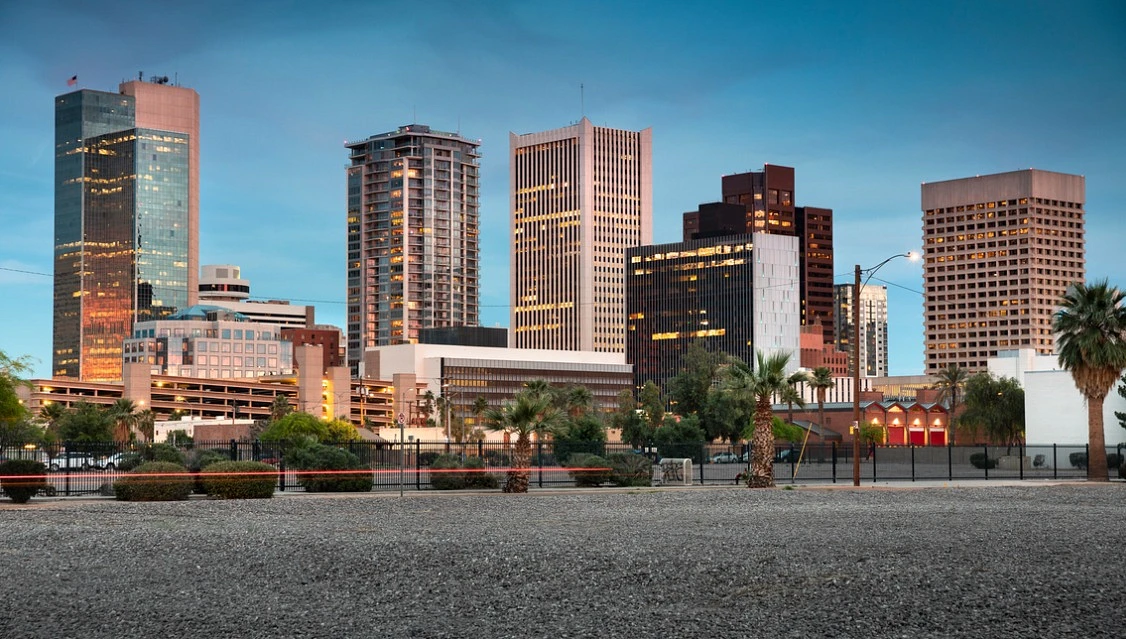
Phoenix and Scottsdale
The metro area operates on a reverse season schedule. Winter is expensive and crowded. Summer is cheap and empty. October through April is prime time if you can afford it. May and September offer shoulder season benefits - decent weather, moderate prices.
Major events impact availability and costs.
-
The Waste Management Phoenix Open golf tournament in early February fills hotels.
-
Spring training baseball in February and March draws fans from around the country.
-
Barrett-Jackson car auction in January attracts collectors with deep pockets.
Flagstaff and Northern Arizona
Higher elevation means different rules. Summer (June through August) is peak season here while Phoenix melts. September offers great conditions before winter arrives. Spring comes late-May and early June-but brings wildflowers to mountain meadows.
Winter sports enthusiasts target December through February for skiing. March can deliver good snow too but also starts the melt. The shoulder seasons (April-May and September-October) provide solitude and moderate temperatures.
Tucson
Tucson consistently clocks in around ten degrees cooler than Phoenix. As a university town, it pulses with activity - expect packed streets during University of Arizona events. The February Gem and Mineral Show completely takes over, causing hotels citywide to sell out.
Saguaro National Park frames the city on east and west. The best time to visit stretches from October through April. Summer is for those who seek scorching, 100°F+ heat and the unpredictable gamble of monsoon season.
Events and Festivals Worth Considering

-
April in Scottsdale means Arizona Bike Week. The thunder isn't storm clouds-it’s thousands of engines rolling in. Hotels book out solid. Prices spike.
-
Meanwhile, Sedona’s International Film Festival hits late February or March. A solid draw for cinephiles, but plan ahead. Accommodations vanish fast.
-
Down in Tucson, February brings La Fiesta de los Vaqueros. Schools even close for two days. The city leans into its cowboy roots with parades, rodeo action, and related events.
-
Phoenix hosts the Arizona State Fair from October into early November. No surprises-just a classic fair. Think livestock exhibits, creaky rides, and everything deep-fried.
-
Then there’s Prescott. Over Fourth of July weekend, Frontier Days and the World’s Oldest Rodeo take over. It’s been running since 1888. The whole town fills. Want to go? Book months out, no joke.
❓FAQ❓
How to stay safe during Arizona’s monsoon season?
When lightning cracks, stay put. Flash floods render the roads useless. The dry riverbed is a trap. Water will fill it in minutes. In a storm, get inside. Full stop. And remember: metal fences, wet gear - anything that conducts - just don't touch it.
What is the best time to visit the Grand Canyon?
The best time to visit the Grand Canyon is spring (late March through May) or fall (September through early November) for mild temperatures in the 60s-80s°F at the South Rim, fewer crowds, and optimal hiking conditions. Summer brings heat and crowds while the North Rim is open only mid-May to mid-October, and winter offers solitude but cold and closures.
How do festivals and events affect travel planning?
Popular festivals significantly increase lodging prices and crowd sizes—book well in advance or plan visits outside event dates.