









🎯Too Long; Didn’t Read
-
Hit up Georgia from September to November. That stretch delivers prime weather, lighter crowds, and fair prices.
-
April and May are solid alternatives—just know pollen gets intense if allergies are your thing.
-
Summer works for beach trips or if you handle heat well. But expect serious humidity and places packed with people.
-
Winter? It’s a budget-friendly pick. You’ll cope with cooler temps and shorter daylight, but the savings make it worth considering.
Lock in your must-haves—weather, crowd size, costs, activities—then pair them with the right season. Georgia stays rewarding all year, but your timing directly influences how it all plays out.
Heading to Georgia? Timing is everything. The state stretches from the Appalachian peaks all the way down to the Atlantic coastline. That kind of sprawl means the weather totally depends on your destination. You've got mountains up north, beaches in the southeast, and a whole lot of everything else tossed in between. Plan accordingly.
Spring in Georgia (March-May)
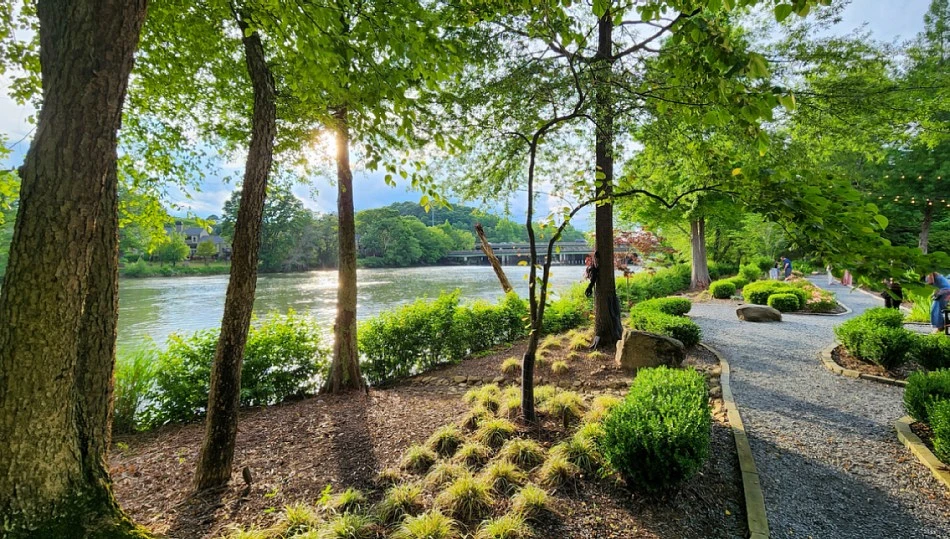
Weather Patterns
Temps start in the 60s come March, then hit the 80s by May. Rain pops up a lot—April especially. Pack layers; mornings can be cool, afternoons warm up quick. The coast heats up faster than the mountains.
Northern Georgia holds onto cooler temps longer. In spots like Blue Ridge or Dahlonega, highs stay in the 60s and 70s through April. Meanwhile, Savannah and coastal areas slide into the 70s and 80s sooner.
The Pollen Situation
Georgia doesn't just have pollen; it has a pollen situation. The counts here are consistently brutal, some of the worst you'll find. Trees kick things off in March. Grasses add to the chaos by April. Atlanta, specifically, often leads the national charts.
That gritty yellow film on your car? It’s unavoidable. It settles on every outdoor surface. Local wisdom is simple: keep the car windows shut and maybe invest in a cover. This isn't an exaggeration. It's just the springtime reality.
What Makes Spring Worth It
Spring arrives, and flowers burst out across the scene. Azaleas, dogwoods, cherry blossoms—they shift parks and neighborhoods into full-blown showcases. Come mid-April, Augusta hosts The Masters Tournament, pulling in golf fans from all over.
Crowds? Still manageable, except when events kick off. Hotels run cheaper than summer rates in most spots. State parks buzz with hikers tackling trails before the heat rolls in.
Summer in Georgia (June-August)
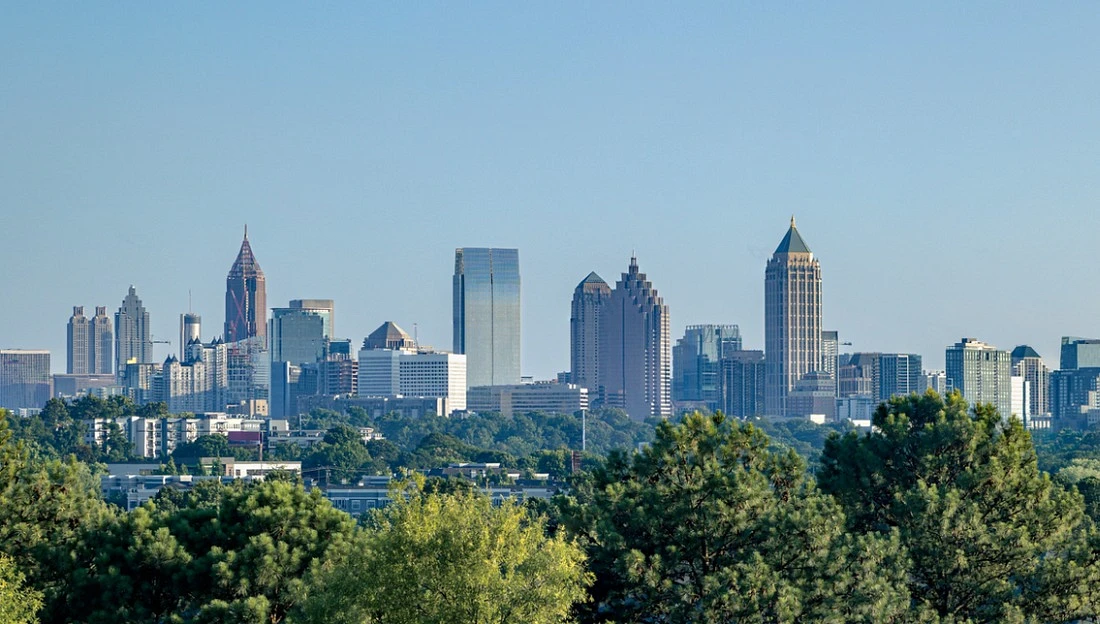
Heat and Humidity
Temps frequently hit the 90s. Add the stifling humidity, and you're facing triple-digit misery. Near the coast, a faint ocean breeze might tease you, but it's a weak defense. By afternoon, the air transforms into an oppressive blanket—the kind that makes you ditch any intention of going outside.
Then you have the mountains. It's a whole different story up there. North Georgia consistently clocks temperatures 10 to 15 degrees lower than Atlanta or Savannah. That's the real draw. It's why people escape to towns like Helen or Blairsville, a direct retreat from the relentless heat.
Afternoon Thunderstorms
Sky goes dark fast on a summer afternoon. Those classic storms barrel in, typically between two and six. Rain hammers down, a crack of thunder, then it's over. That's your cue: hike in the morning.
The downpour brings a temporary chill. It's a sharp, clean break from the heat. Just make sure you're not the one on the trail when it hits.
Summer Activities
Beaches are swarmed with visitors. Tybee Island, Jekyll Island, and St. Simons Island hit peak traffic levels. Hotels bump up rates; restaurants have long lines.
Lakes and rivers become hot spots too—tubing, kayaking, swimming, anything water-related draws crowds. Lake Lanier near Atlanta gets crazy busy on weekends.
Stone Mountain Park, Six Flags, and similar venues run on full summer operations. With kids out of school, families are everywhere.
Hurricane Considerations
The Atlantic hurricane season spans June to November. Its real action? That's August through October. Coastal Georgia definitely catches a blow now and then, but a direct hit is less likely. Even a storm spinning miles offshore can whip the coast with serious rain and wind.
So if you're planning a coastal trip then, keep one eye on the forecast. Some seasons are a total breeze. Others? They'll have you packing the car and heading inland. It's a roll of the dice.
Fall in Georgia (September-November)
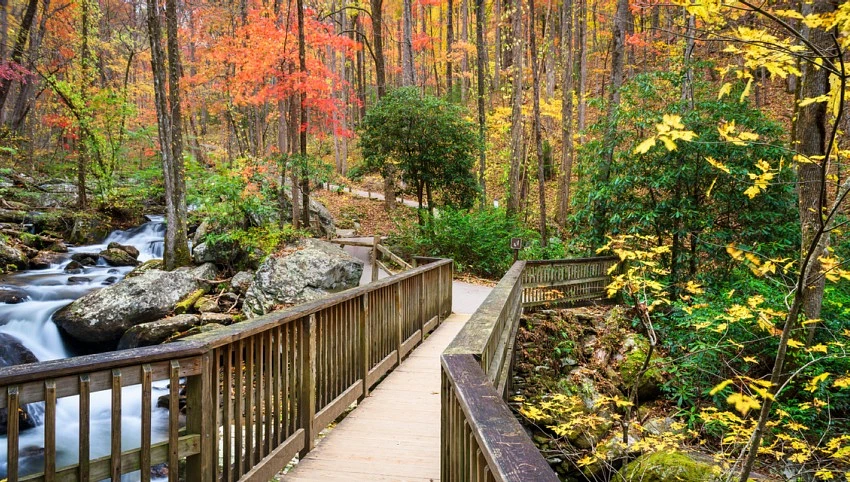
Temperature Sweet Spot
September clings to summer's heat, early on. Then October rolls in, leveling things off into the 70s. Come November, you're looking at 60s, even some 50-degree mornings—a real shift.
This whole spread? Prime time for being out. Hitting a trail, wandering the city, or just posted up at a cafe. You can actually do midday outside without, you know, sweating through your shirt. The weather just works.
Fall Colors
The North Georgia mountains transform come autumn. The color shift usually kicks off around mid-October, running through early November. It’s a fickle process, entirely dependent on that year's temperature swings.
For solid leaf-peeping, hit up spots like Amicalola Falls, Brasstown Bald, or near the towns of Helen and Dahlonega. Expect weekend crowds. Still, it’s way more manageable than the summer tourist crush. You'll actually find space to breathe.
Events and Festivals
Georgia's fall calendar packs in festivals. You'll find the long-running Oktoberfest in Helen from September through November. Beyond that, small towns throw their own harvest celebrations. Up in the mountains, apple picking starts, and countless craft fairs just appear.
But let's be real, college football rules autumn weekends. When the University of Georgia plays in Athens, the town swells. Not a fan? Steer clear on game days. The traffic gets brutal. Every hotel room gets booked.
Heads up: this football effect isn't just local. Across the state, hotel prices jump and availability plummets on those weekends. Plan around it.
Lower Prices and Fewer Tourists
The post-Labor Day shift is immediate. Summer's over. Kids are back in class, and the tourism sector cools off fast.
You'll see it in the details. Hotels drop their prices, except when a big event rolls into town. Good luck getting a reservation at that impossible restaurant in July? Now you can just walk in. The main attractions finally have breathing room.
This is the time to actually experience places. Savannah's streets become navigable, perfect for a stroll. Up in the mountains, the hectic summer hustle fades to quiet.
Winter in Georgia (December-February)
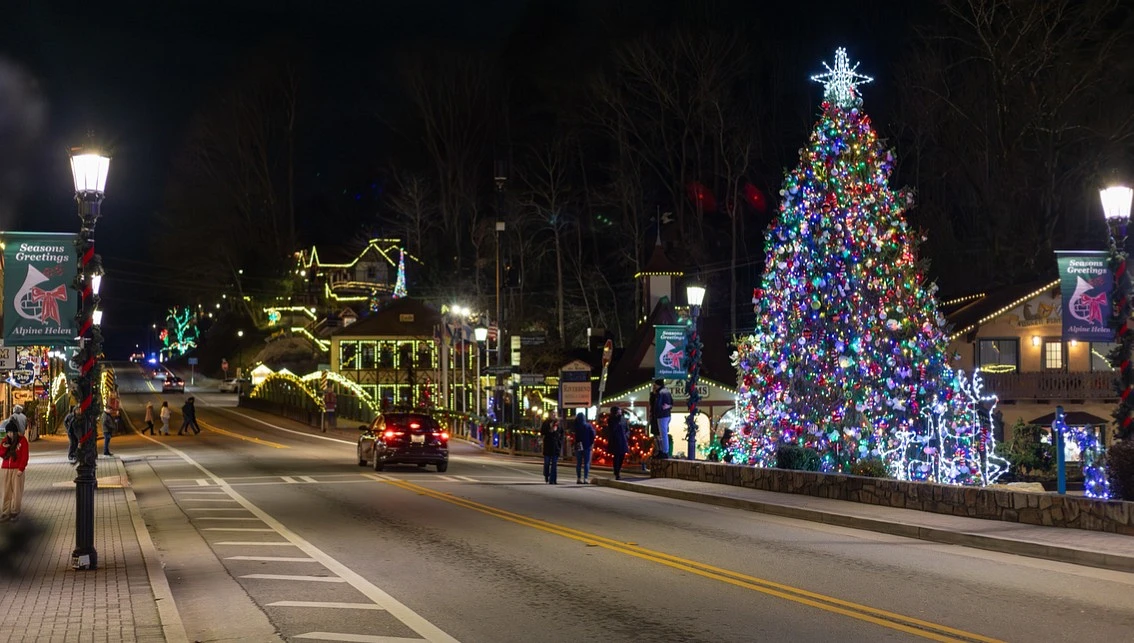
Mild Temperatures
Winters down south and along the coasts? Pretty moderate. Daytime highs usually sit in the 50s and 60s. You might even get days that climb into the 70s.
But head north—total shift. Up there, temps tend to linger in the 40s. Once sunset hits, the chill sets in hard. Nights frequently plunge to the 20s or 30s. Snow occurs, but it’s brief, never lasts. The real trouble? Ice storms. They create way more havoc, knocking out power and snarling travel.
Coastal Winter Advantages
Winter escape? The Georgia coast in winter is the real deal. Temperatures hover in the low 60s Fahrenheit—downright pleasant for walking Savannah's historic squares or biking through Jekyll Island. Sure, the ocean's brisk, not bone-chilling. You can walk for miles without freezing.
The crowds vanish. From January to February, tourism bottoms out. Hotel prices drop. Getting a table at that fancy restaurant? Book it same-day. Good luck with that in July.
St. Simons Island, Sea Island—the whole coastline—slows way down. The vibe is serene, more relaxed. Some folks wouldn't have it any other way. They find the summer rush exhausting. This is the season to just breathe a bit.
Mountain Activities
Winter in North Georgia's mountains isn't about sprawling resorts. It's a more scrappy, bare-bones experience. A few local spots, Sky Valley for one, fire up the lifts when the weather plays ball, offering limited runs.
Meanwhile, demand for cabins spikes. The draw? Hunkering down inside as the cold seeps through the windows. For a certain crowd, that's the whole point—the appeal of a warm fire while the temperature plummets outside.
Holiday Season
December in Georgia isn't just a date; it's a full-blown spectacle. Savannah and Atlanta transform, streets draped in lights, everything decked out for the season. Don't miss Stone Mountain's Christmas light show—it's a major draw. Meanwhile, local towns buzz with holiday markets and festivals.
On the practical side, be ready for hotels to spike their rates around Thanksgiving and Christmas. Booking early for those weeks is non-negotiable.
But if you can handle the chill and the early sunsets, January and February are the travel jackpot. You'll find the year's cheapest rates and, better yet, you'll have the place mostly to yourself. Bundling up means significant savings and no crowds.
Regional Considerations
Atlanta
The state capital's four seasons aren't subtle.
-
For a visit, aim for spring or fall—that's the tourist sweet spot. Temperatures are mild, and the calendar is packed.
-
Summer turns oppressive, the heat amplified by a relentless sprawl of pavement.
-
Winters are generally tame, but beware the occasional ice storm. That's when the city grinds to a halt—gridlock and canceled plans.
Savannah
Savannah's coastal spot tempers the extreme heat and cold.
-
Summers turn hot, downright sticky.
-
For the best conditions, target spring or fall. A heads-up about March: St. Patrick's Day overwhelms the city. Secure your lodging months early for that.
-
Winter is a solid choice. You can explore the historic districts and squares without discomfort. The tourist drop-off is a real perk—you'll actually get a table at those famous restaurants and see the sights without the crowds.
Blue Ridge Mountains
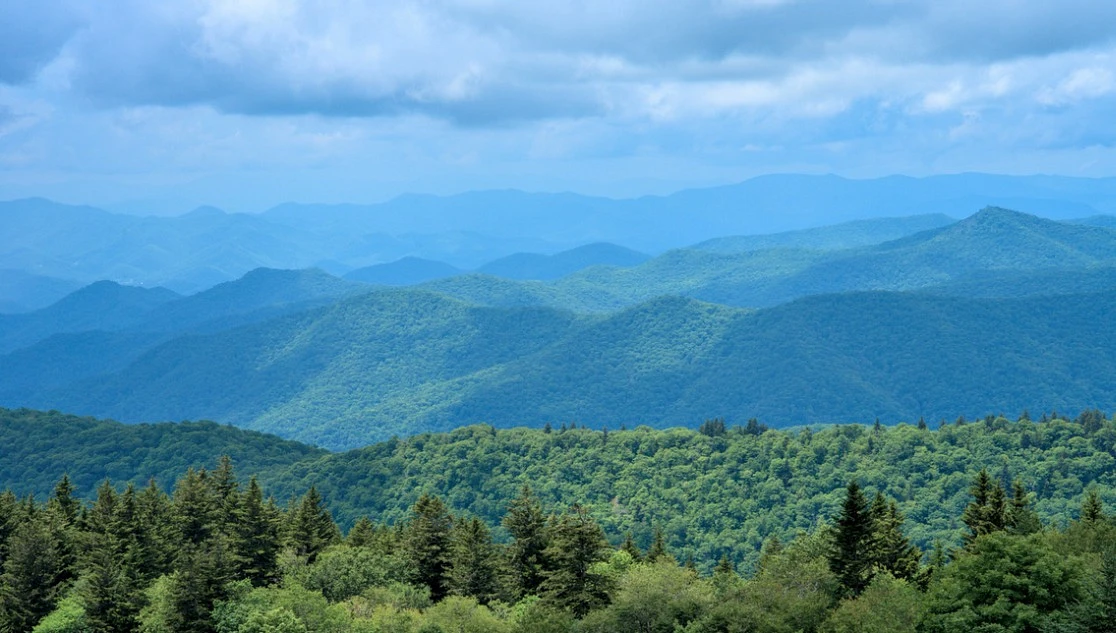
At higher elevations, temperatures drop. It's a reliable escape when the lowlands bake in summer. Come fall, people trek up for the color show—those turning leaves. Winters are cold, genuinely cold, but deep snow? That's rare. You're more likely to see frost and a dusting that turns to slush.
Coastal Georgia
Summer beaches hit peak popularity, no surprise. But swing by in May or September, and you'll catch warmer water with way fewer people. Winter shifts the vibe to quiet—ideal for solo strolls, but swimming's out.
What to Pack
-
Spring and fall are all about layers. Mornings have a chill; afternoons can get surprisingly warm. Think a light jacket over both long and short sleeves.
-
Summer means light, breathable fabrics. Non-negotiable: sunscreen and a hat. Sweat is inevitable.
-
Winter? That's location-specific. The coast calls for light layers. The mountains? You'll need serious insulation. And no matter the season, always toss a rain jacket in your bag. It dumps rain year-round.
❓FAQ❓
What types of wildlife might I encounter in Georgia during different seasons?
The mountains hold white-tailed deer and black bears. Then come the migrations. Spring and fall—the state becomes a bird highway. Down along the coast, the scene shifts. Dolphins and right whales show up. The whole crew is there.
Are there any local food festivals or culinary events worth planning a trip around?
The state's schedule is crammed with happenings. Summer revolves around festivals for the fruit that defines this place. Once fall arrives, the emphasis switches to the harvest and all the produce from the farms. For oyster stuff, hit the coast where events zero in on that.
What is the best way to get around Georgia for tourists?
For actual exploration, get a rental car. Georgia's public transit? It's strictly hub-to-hub—think Atlanta. But the good stuff, the mountains and sleepy towns down to the coast? That network doesn't connect. To hit those spots, a car is your only real move. It’s about access.